Forestry mulching and land clearing are often used to describe the same job. They are not the same result. Both can open a wooded or overgrown property, but they handle trees, stumps, soil, and leftover material very differently. Choosing the wrong one can leave a property owner with a finish that looks better for a few weeks but does not support the driveway, homesite, pasture, trail, or work area they need next.
The useful question is not which method is cheaper in the abstract. It is what the land needs to become. A mulched trail corridor, a cleared building envelope, a safer field edge, and a road base are different outcomes. Once the end use is clear, the right equipment, sequence, and scope become much easier to identify.
The short version: the finish is different
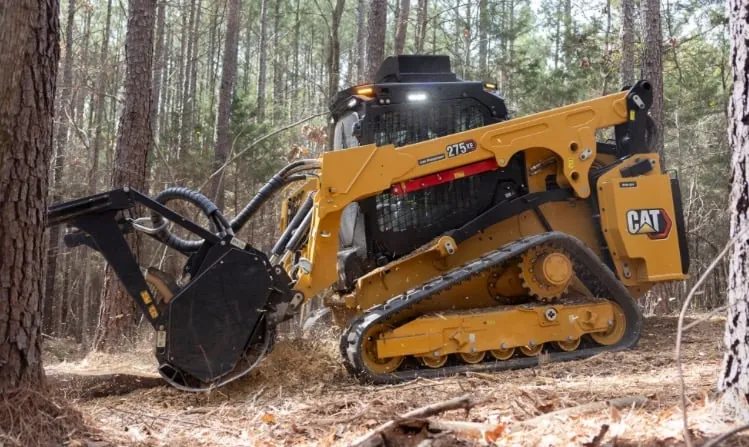
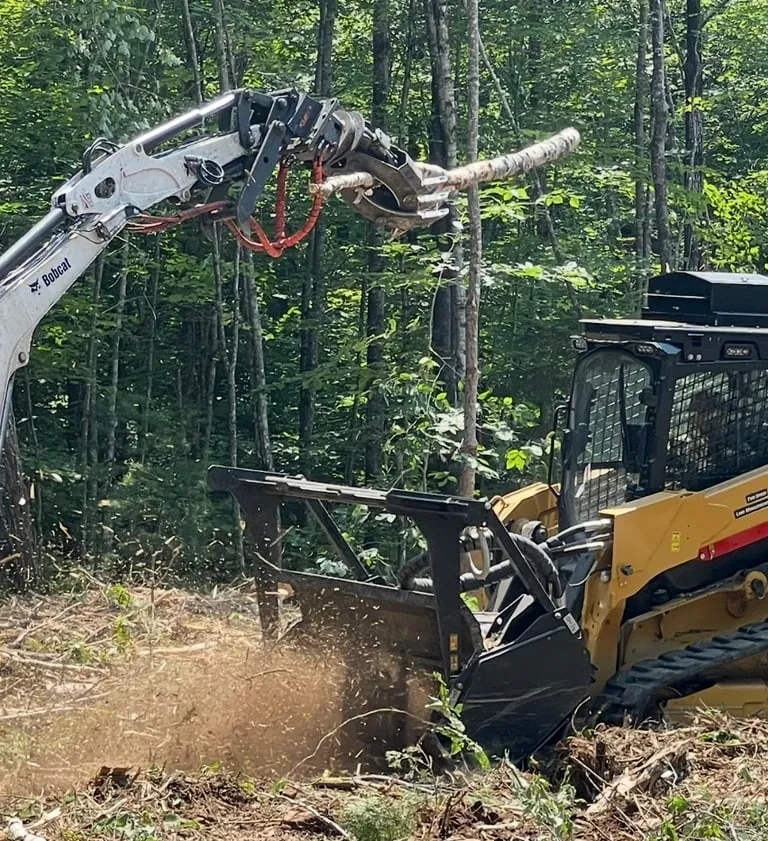
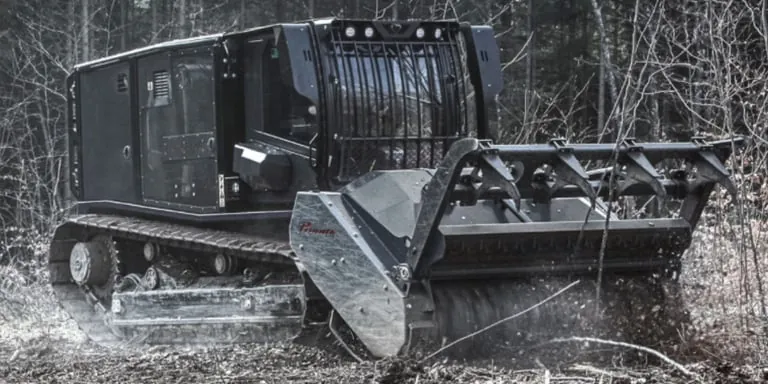
Forestry mulching uses a specialized machine to process brush, saplings, and smaller trees into a layer of mulch. In the right setting, that layer protects the soil, reduces the need to handle slash, and leaves the area ready for lower-impact uses. It is especially useful when the goal is to manage vegetation without stripping the ground bare.
Conventional land clearing is broader site preparation. It may include felling trees, removing stumps, moving brush and timber, rough grading, preparing an access route, and making room for the next construction activity. It is often the better fit where the ground itself needs to be changed, not just the vegetation above it.
Neither approach is automatically better. The right choice depends on what must stay, what must go, how equipment gets in, where water travels, and what happens after the clearing crew leaves. Cross Country's land services overview shows how vegetation work, access, drainage, excavation, and stabilization can fit together when a property needs more than one phase.
When forestry mulching is a strong fit
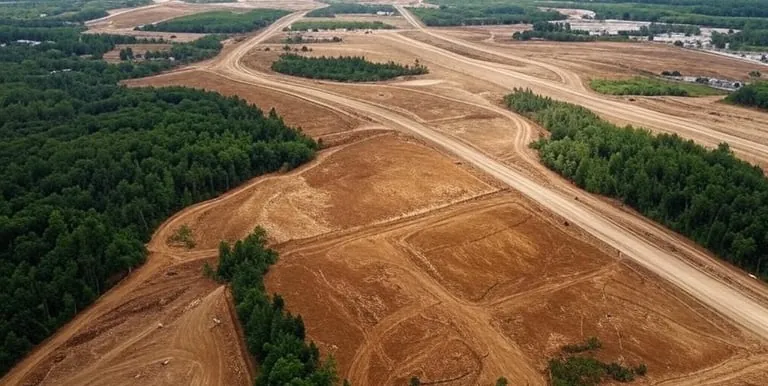
Forestry mulching works best when a property needs vegetation managed and the existing ground can remain largely intact. It can be a smart choice for dense brush, young hardwoods, saplings, invasive growth, overgrown field edges, trail systems, hunting access, sightlines, and utility or fence corridors. The machine processes material in place, so there is usually less loose brush to pile, burn, chip, or haul.
That in-place finish is the main benefit. A planned mulch layer can help shield exposed soil from direct rain and can make it easier to move through an area after the work is complete. It also avoids the visual and logistical problem of a large brush pile sitting in the middle of a property. For a closer look at the type of equipment and terrain this work involves, see the Maine forestry mulching service.
Mulching is not a promise that every woody stem disappears. Larger trees, oversized stumps, embedded rock, wire, steep ground, wet pockets, and hidden debris can change the approach. A site walk is important because aerial images rarely show the conditions that affect safe production and the final finish.
Mulching is usually worth considering when:
- You want to open a trail, field edge, view, or woodland area while preserving the existing ground cover.
- Brush and saplings are the main issue, rather than large stumps or a construction-ready grade.
- Leaving processed organic material on site makes sense for the property's next use.
- You need a cleaner, more usable area without a separate material removal project.
It is also a practical option for a property owner who wants to work in phases. Opening access, clearing a few priority areas, and leaving lower-priority woods alone can protect the budget and give the owner time to make better decisions about the next step. The Maine brush-clearing guide explains how to define those limits before equipment arrives.
When full land clearing is the better choice
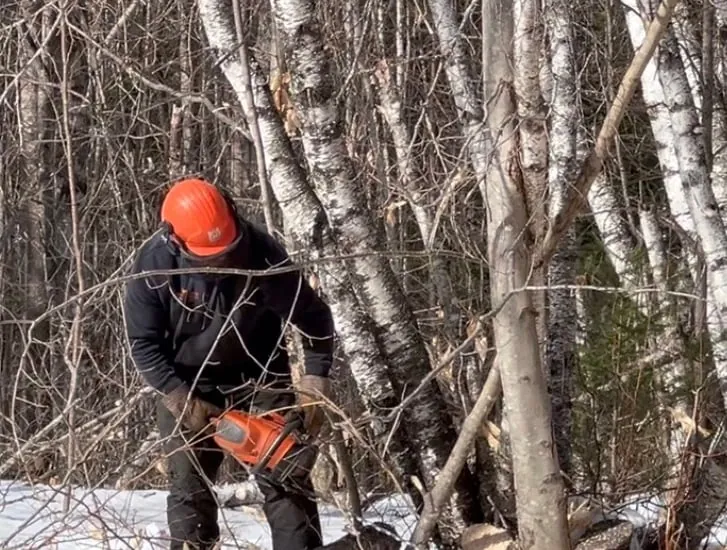
Full land clearing is usually the better choice when the property is moving into construction or a more permanent change in use. A house, garage, septic area, utility trench, gravel driveway, access road, commercial pad, or parking area may need trees and stumps removed, material moved, and the ground prepared for excavation or grading. A mulch layer is useful in some surrounding areas, but it does not create a subgrade or remove the underground obstacles that can affect later work.
Conventional clearing gives the crew more options to sequence the entire site. Trees can be removed selectively or across a defined work area. Stumps can be left where appropriate or addressed where they would interfere with a future use. Brush, timber, rock, and unsuitable material can be handled as part of the plan. Access, drainage, and rough grading can be coordinated instead of treated as unrelated projects.
This wider scope matters because construction tends to revisit the same ground. Clearing a driveway corridor without considering culverts and drainage, then opening it again for road work, creates duplicate disturbance. The driveway construction page and access-road page show why durable access starts with more than a cleared strip of land.
Full clearing is usually worth considering when:
- The site needs to support a building, utility installation, septic work, driveway, road, or another construction phase.
- Stumps, roots, large trees, rock, old material, or grade changes would interfere with the intended use.
- Material needs a defined destination, including hauling, chipping, reuse, or disposal.
- Clearing has to be coordinated with drainage, erosion controls, excavation, or other sitework.
On a larger project, the difference is less about a single machine and more about planning. Cross Country's Maine sitework service is built for situations where clearing is one part of the work needed to move a project forward.
Compare the two approaches by the job ahead
A direct comparison helps, but only when it is tied to a real outcome. A property can use both methods. Forestry mulching may be right for the edges, trails, or future open space, while conventional clearing may be right for a homesite, road corridor, or utility area. The boundaries between those scopes should be decided before work starts.
Final appearance
Mulching leaves a processed organic layer and a more natural woodland finish. Full clearing can leave a more open, construction-oriented surface, depending on whether stumps, brush, grading, and material handling are included. Ask to see the expected condition of the ground at the end of the work, not only the list of equipment that will be used.
Soil and root disturbance
Mulching can limit disturbance when the work stays on the surface and the soil does not need to be reshaped. Full clearing may require more disturbance because it addresses stumps, roots, and material below ground level. That is not a drawback when the next phase needs a cleared and prepared work area. It simply means the project should include a plan for drainage and exposed soil.
Material handling
Mulching reduces vegetation into material that stays on site. Full clearing can require a plan for logs, brush, stumps, rock, and other material. Neither plan should be vague. A pile that looks manageable on the first day can take up valuable room and become harder to move later. The land-clearing cost guide explains why material handling is one of the biggest differences between estimates.
Readiness for the next phase
Mulching can make land easier to use without making it ready for every kind of construction. Full clearing can create the starting point for excavation, road work, drainage, and other construction tasks, but it needs a precise scope. The decision should begin with the next phase, not with the temptation to choose the fastest-looking first pass.
Five site questions to answer before choosing
A useful quote starts with conditions, not guesses. Before deciding between forestry mulching and land clearing, walk the property with the end use in mind. A few direct questions can prevent a lot of avoidable rework.
1. What needs to happen here next?
Name the next use clearly. Is this a woodland trail, a safer field edge, an open recreational area, a homesite, a driveway, a camp road, a utility route, or a larger site-development project? The answer determines whether existing stumps and roots can remain or must be addressed.
2. What needs to stay?
Identify mature trees, stone walls, boundary markers, drainage features, wet areas, visible utilities, and the ground that should not be disturbed. Good clearing is selective when the property calls for it. Marking those limits early keeps a crew from making decisions that should have been made by the owner.
3. What is under the vegetation?
Brush can hide wire, old fence, stone, culverts, debris, shallow ledge, and changes in ground firmness. A crew should understand the access route and work area before production begins. If the project includes digging, trenching, or ground disturbance, use Maine Dig Safe's marking process and identify private utilities, wells, septic components, and overhead lines as well.
4. Where will water go after the work?
Vegetation affects how rain moves across a property. When work exposes soil or changes a travel route, runoff deserves attention before the first pass. Maine DEP's erosion and sediment control guidance is a useful reference for protecting disturbed ground. In practice, this means preserving cover where it is working, keeping material out of ditches and drainage paths, and stabilizing exposed areas before a heavy rain.
5. Are there protected areas or local limits?
Work near wetlands, streams, ponds, or shoreland areas may need an early review. Maine's Natural Resources Protection Act guidance explains that certain activities near protected natural resources can require permits. Shoreland standards are administered locally, so a property-specific check should happen before vegetation or soil is removed near the water.
Where the cost difference really comes from
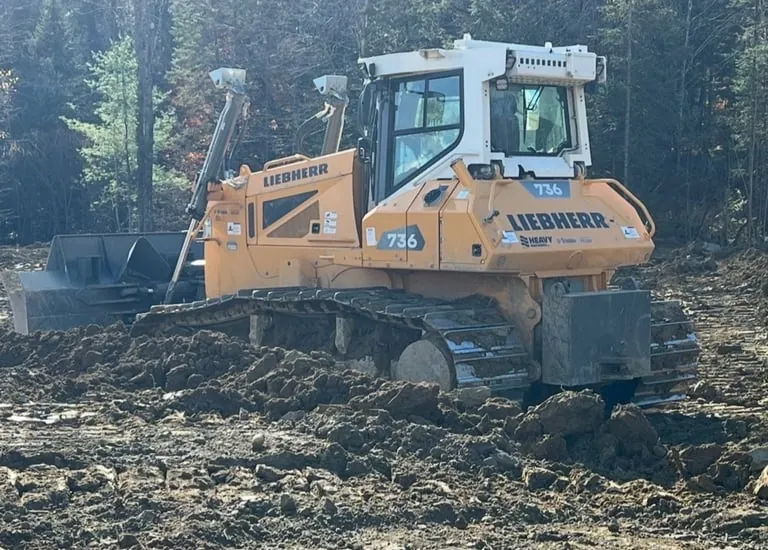
It is tempting to compare forestry mulching and land clearing by the acre or by an hourly machine rate. Those numbers matter, but they do not tell a property owner what the finished property will cost. The difference usually comes from everything that happens around the cutting: access, tree size, stump treatment, material handling, ground conditions, drainage, and the next phase of the project.
Forestry mulching can control cost when the material can stay where it is processed. There is less need to gather slash, load trucks, travel to a disposal site, or return later to deal with brush piles. It can also be efficient where the work area is clear enough for a machine to make steady passes and the desired finish is a managed woodland, trail, or open edge rather than a construction surface.
Full clearing can cost more at the start because it may include more kinds of work. That does not make it the expensive choice in every case. When a homesite, road, or utility corridor will need stumps removed, material moved, and ground shaped later, doing the work in one coordinated sequence may cost less than paying separate crews to disturb the same area more than once.
The best way to compare proposals is to line up the final conditions. One proposal may leave stumps, mulch, and an open route. Another may include tree removal, stump work, rough grading, drainage, and a defined material plan. They are not competing versions of the same job. A clear estimate makes the scope visible so you can decide which outcome serves the property, rather than choosing the lowest number attached to a vague description.
Questions that make estimates comparable
- What size and type of vegetation is included, and what is excluded?
- Will stumps and roots remain, be cut lower, or be removed where the next phase needs clear ground?
- Does the price include handling brush, logs, mulch, rock, and unexpected debris?
- Is access already suitable for equipment, or does the proposal include temporary access, mats, turnarounds, or route protection?
- What final condition should you expect around drainage paths, slopes, road corridors, and the edges of the work area?
A fair proposal will also identify the conditions that cannot be known until the crew is on site, such as buried debris or hidden ledge. That is not a weakness. It is a practical acknowledgment that a wooded property does not reveal every condition from the road. The key is understanding how those discoveries will be handled before work begins.
Many properties need a hybrid plan
Forestry mulching versus land clearing does not have to be an either-or decision. A well-planned property often uses both methods in different areas. The building envelope, septic area, and driveway corridor may need full clearing and site preparation. The field edge, trail network, view corridor, and surrounding woods may be better served by selective mulching that keeps a more natural finish.
The benefit of a hybrid plan is control. Instead of clearing every acre to the same standard, the owner spends the heavier work where the project truly needs it and preserves existing cover where it still has value. This can keep traffic and material handling out of areas that are not part of the active project, while still providing enough room for construction access and future maintenance.
It also makes phasing easier. An owner may start by opening safe access, defining the homesite or work area, and managing vegetation around it. Later phases can add the driveway base, culverts, grading, utilities, or additional clearing once plans are final. That sequence works best when the first phase leaves room for the equipment and material movement the later phases will require.
For example, a camp property may need a reliable access route, a cleared area for a future building, and a safer woods edge around the drive. Full clearing may be appropriate inside the building and road footprint. Mulching may be the better choice for the remaining brush and small trees along the approach. The plan should make those different finishes explicit, so the crew, owner, and future trades are working from the same map.
Timing matters as much as method in Maine
The right method can still be poorly timed. Ground conditions change throughout the year, and a wet entrance or soft section of woods can change how equipment reaches the work. A project that will be followed by excavation, utility installation, paving, or building work should be planned backward from that milestone. Leave room for site review, utility marking, local approvals, weather, and the time it takes to stabilize exposed ground.
Spring conditions can limit access on softer properties. Summer can make travel easier on some ground, while dry weather can make dust and wildfire precautions more important. Fall can be productive for clearing and access work, but an early plan is still better than waiting until a contractor, material supplier, or the next trade is already under pressure. Winter work can be effective on the right ground, yet snow cover can make it harder to see the final grade and hidden site features.
The goal is not to name one universally best season. It is to avoid choosing a method in isolation from the schedule. When forestry mulching is part of a longer project, decide whether the mulch needs to remain, be moved, or stay outside future construction limits. When full clearing is planned, make sure the ground will not be opened long before the drainage, grading, or stabilization work can happen.
This is especially important near water, slopes, and drainage paths. Maine's shoreland zoning statute places local administration of shoreland standards with municipalities. The practical takeaway is simple: identify the limits before the work, and do not let a rushed clearing schedule make those decisions after vegetation has already been removed.
Four mistakes that make the wrong approach expensive
1. Choosing a method before defining the finish
A property owner sees dense brush and assumes that any clearing will solve the problem. Then the work is complete and the area still has stumps where a driveway needs to go, mulch where excavation needs to happen, or piles where a future turnaround belongs. Start by describing the finish in plain terms: open woods, trail, lawn-ready area, rough building site, road corridor, or construction pad.
2. Ignoring the route equipment will use
The work area is only part of the job. Equipment needs a safe entrance, turning space, and a route that does not damage a ditch, soft shoulder, stone wall, or sensitive ground. A narrow gate or long woods road can affect which equipment fits, how material is handled, and how quickly the work can move. Access should be part of the first conversation, not an on-site surprise.
3. Treating material as an afterthought
Whether material becomes mulch, logs, chips, brush piles, or hauled loads, it needs a destination. A property can look cleared while still carrying a large amount of material that is in the wrong place. Decide where it goes before the work starts, especially when the site has a planned road, septic area, drainage route, or construction footprint.
4. Opening soil without a plan for water
Removing vegetation can change how water moves and where soil is exposed. The answer is not to avoid every clearing project. It is to preserve cover where possible, keep work out of sensitive areas, and coordinate clearing with the drainage and stabilization work that follows. That is one reason a sitework conversation is more valuable than choosing a machine from a photo.
How to get a quote you can compare
The most helpful estimate describes the finish, not just the hours or acreage. Share the property location, photos from the entrance and inside the work area, the approximate limits, the desired end use, known obstacles, and anything that must be protected. If a survey, house plan, driveway sketch, septic layout, or concept plan exists, bring it into the conversation early.
Ask each contractor to clarify whether the scope includes tree removal, stump work, mulching, brush handling, hauling, access improvements, drainage, grading, and cleanup. Also ask how unexpected conditions such as ledge, buried debris, wet ground, or difficult access are handled. A shorter proposal is not automatically a simpler job. It can just leave more of the decision unspoken.
For a new home, camp, or outbuilding, it also helps to read the homesite land-clearing guide before the site visit. It outlines the parts of a property that need to be considered together, including access, utilities, septic areas, drainage, and the future work zone.
How Cross Country Land Services helps
Cross Country Land Services helps property owners, builders, and project teams choose a scope that fits the land and the work ahead. That may mean forestry mulching for vegetation management, full clearing for a construction area, or a coordinated plan that combines both with roads, drainage, excavation, and erosion control.
The advantage is not forcing every property into one method. The team can look at access, terrain, material, sensitive ground, and the next phase of the project so the first pass supports the whole plan. For commercial or larger project work, the commercial land-clearing service provides a clearer view of Cross Country's broader field capability.
When you are ready to define the work, start a project conversation. Bring the property location, photos, any available plan, and a simple description of what the land needs to become.
The bottom line
Forestry mulching is often the right tool for opening and managing vegetation while keeping a natural ground finish. Full land clearing is often the right path when the land needs to support construction, access, utilities, or a more complete site change. The best choice is the one that matches the next use of the property, accounts for what is below the vegetation, and prevents the same ground from being disturbed twice.