Excavation And Site Preparation
Maine Sitework Contractors
Put clearing, excavation, access, drainage, and utility work on a practical path from the first pass through the next phase.
Discuss Your Project
Start with ground that is ready to work
Sitework is the practical work that turns a parcel of ground into a place where the next crew can move. A new homesite needs usable access and a clear building area. A commercial project needs room for staging, utilities, drainage, and the trades that follow. A road, utility corridor, or public improvement needs the ground prepared in a sequence that matches the plan.
Cross Country approaches those needs as connected field work, not isolated tasks. Clearing affects how equipment reaches the site. Excavation affects drainage. A temporary route may become part of the finished access plan. Looking at those decisions together helps the project start with a practical work area instead of a series of disconnected passes over the same ground.
That matters across Northern New England, where ledge, wet pockets, variable soils, long approaches, and seasonal ground conditions can shape the job before excavation begins. The field plan needs to fit the site that exists, while still keeping the finished use in view.
One field plan for the work that needs to connect
A sitework scope can be narrow or broad, but it should be clear about what the ground needs to do next. Cross Country works with property owners and project teams to organize the field work around access, water, material, and the intended finish.
- Land clearing, brush management, and right-of-way preparation
- Excavation, rough grading, and building-area preparation
- Driveways, access roads, turnarounds, and working routes
- Drainage improvements, culverts, and stormwater controls
- Utility trenching and corridor preparation
- Material movement, aggregate placement, and topsoil management
- Erosion control and stabilization around exposed ground
The scope does not need to include every item on that list. The point is to identify the work that genuinely belongs together before equipment is mobilized. When a driveway follows clearing, for example, its alignment, drainage, and subgrade should influence the first clearing pass. When a utility route crosses a planned work area, it is better to account for that corridor early than reopen the finished ground later.
Let the site conditions guide the approach
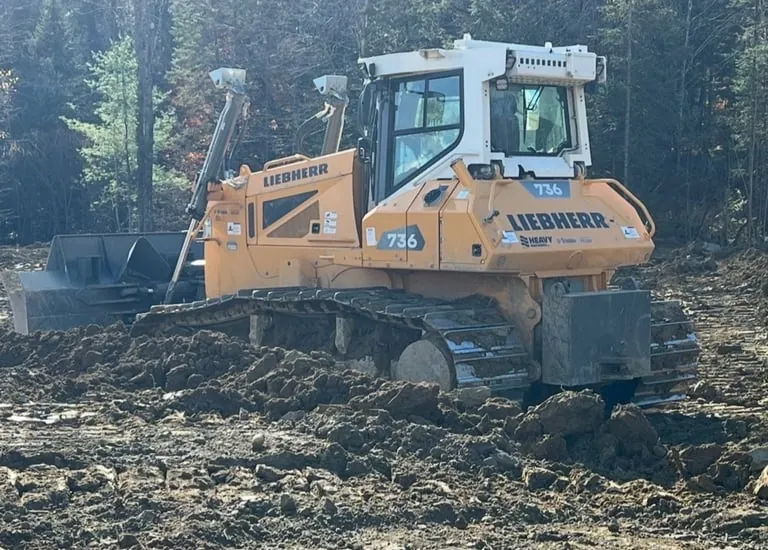
A useful site plan starts with the conditions on the ground. Soft soil, ledge, slopes, existing drainage, narrow entry points, overhead lines, retained trees, and neighboring property lines all affect how equipment can work. Plans are essential, but a site visit adds the practical detail that is not always visible on a drawing.
Cross Country reviews how the site can be reached, where equipment can turn, where material can be staged, and how water already moves through the property. That preparation helps define an approach that protects the parts of the site that stay while giving the working area the room it needs.
For projects near wetlands, streams, shoreland ground, or exposed slopes, the work limits and sequence deserve early attention. Keeping water and soil management connected to the earthwork helps avoid a productive excavation phase becoming a drainage or stabilization issue after the next storm.
Build the sequence before the machines arrive
Good sitework is often about order. A site may need an access route before heavier equipment can enter. Clearing may need to happen only where survey, test pits, a building pad, or a utility route is ready to move forward. Drainage and erosion measures may need to be in place before a larger area of soil is exposed.
Cross Country can help shape that sequence around the project schedule. The field team can coordinate clearing, excavation, access, culverts, trenching, grading, and material handling so the work supports the next phase rather than interfering with it. That is valuable for a property owner trying to prepare a lot, as well as a builder, engineer, or public team managing several moving parts.
Phasing is useful when only part of a site is ready to work. Opening a temporary access route, creating a staging area, or preparing a first building zone can keep a project moving without disturbing ground that still needs design, permitting, or seasonal consideration. The right first move is the one that creates useful progress without creating a second scope for the same area.
Keep access, drainage, and utilities in the same conversation
These elements are easy to separate on paper and expensive to separate in the field. A route that works for a clearing crew may not have the base, crown, or drainage needed for regular use. A low area may need a culvert or a different alignment before traffic begins. A utility trench needs a route that makes sense with the building area, access, and future landscape.
Cross Country brings excavation, access, drainage, and utility preparation into the same practical discussion. The team can also coordinate the land clearing and vegetation work that precedes those scopes. For projects focused primarily on overgrown ground, see brush clearing services. For larger vegetation and construction preparation, see commercial land clearing.
That connected approach gives customers a clearer path from the raw site to the next useful milestone: a passable driveway, a prepared building area, a defined utility corridor, or a work zone that is ready for the crews depending on it.
Bring the information that makes the first conversation useful
The best starting point is the outcome you are trying to create. A rough idea of where the work is, what needs to be built or improved, and when it needs to happen gives the team a useful basis for planning. Drawings, surveys, photos, and a simple sketch are all helpful, even when the project is still taking shape.
- Project address, property access, and a primary contact
- Site plans, surveys, sketches, or marked work limits
- The intended use of the ground after sitework is complete
- Known wells, septic systems, utilities, wetlands, or drainage features
- Scheduling, staging, material, and haul-route needs
- Anything on the property that must be protected or retained
A site walk can fill in the field details that photos and drawings cannot: actual ground firmness, ledge, turning space, vegetation density, the condition of an existing route, and the practical movement of equipment through the property. That gives the project a clearer scope before the work starts, whether the next phase is residential, commercial, civil, or environmental.
Field-ready work for private, commercial, and public projects
Cross Country supports projects across Maine, New Hampshire, and Vermont with a field-focused approach to difficult ground. The company works with property owners planning access and homesites, commercial teams preparing for construction, and civil and public groups managing infrastructure and environmental work.
For a broader view of public and infrastructure capabilities, visit civil and government sitework. For the full service range, including clearing, roads, drainage, utilities, and environmental field work, explore Northern New England land services. The right project conversation starts with the ground in front of you and the work it needs to support next.
Frequently Asked Questions
Sitework for projects that need a practical next step
What does a sitework contractor do?
A sitework contractor prepares and organizes the ground for the work that follows. Depending on the project, that can include clearing, excavation, grading, access roads, drainage, culverts, utility trenching, erosion control, and material handling. The right scope depends on the plans, site conditions, and intended finish.
Can one crew handle clearing and excavation?
Yes. When a project needs both clearing and earthwork, planning those phases together helps prevent unnecessary rework. Cross Country can coordinate vegetation removal, access, excavation, grading, drainage, and utility preparation around the same field plan.
What information is useful before requesting a sitework proposal?
A project location, plan set or sketch, intended use, schedule, access details, and any known utilities, wetlands, drainage features, or work limits are a strong start. A site visit can then confirm the ground conditions, equipment access, staging needs, and the order of work.
Do you work on both private and commercial projects?
Yes. Cross Country supports property owners, developers, builders, municipalities, civil teams, and public agencies across Maine, New Hampshire, and Vermont. The scope is shaped around the actual project, from a homesite or driveway to an access route, utility corridor, or larger development site.
Start With The Ground