Clearing wooded land can make a property feel full of possibility. It can reveal a homesite, open a view, create a camp road, improve a field edge, or make room for a future building. It can also create expensive rework when the trees come down before the owner has decided where water will go, where equipment needs to travel, and what parts of the woods should stay. The best clearing plan starts with the job the land needs to do after the work is complete.
In Maine, wooded parcels often have uneven ground, ledge, wet pockets, old stone walls, narrow entrances, and more vegetation than a map suggests. A good plan does not assume that every tree needs to be removed or that one clearing method fits the whole parcel. It breaks the work into a practical sequence, protects the useful parts of the property, and leaves a clean path for the next phase.
1. Start with the use, not the tree line
Before marking trees, write down what the cleared area is meant to become. A building envelope, driveway corridor, septic area, trail, pasture edge, utility route, equipment yard, and recreational clearing each need a different finish. Some need stumps removed and grades established. Others need only selective thinning and a stable route through the woods. Calling all of it “clearing” makes it easy to pay for work that does not match the next step.
Walk the property with the future use in mind. Mark broad limits for the work, trees worth keeping, stone walls, obvious wet areas, likely access routes, and views you want to preserve or open. For a house, camp, garage, or outbuilding, bring any survey, septic information, driveway sketch, or early site plan. The goal is not to have every decision finished. It is to avoid clearing the exact ground that later needs a different elevation, a protected buffer, or a different route.
Cross Country's residential land services are organized around that outcome-first approach. Clearing, access, drainage, and stabilization often affect one another, so they are easier to plan when the intended use is clear from the start.
2. Separate the work area from the woods worth keeping
Good wooded-land clearing is selective before it is aggressive. Mature trees can provide shade, privacy, wind protection, slope stability, and a better finished appearance. Woodland edges can also help screen a road, protect a neighboring property, and keep an open area from feeling exposed. Removing every tree near a project often creates more grading, drainage, and landscaping work than the property needs.
Make the limits visible. Flag the edge of the planned clearing, the trees to retain, known boundary markers, and any feature that must not be disturbed. A simple on-site walk-through is more useful than describing the work from a driveway. It gives the crew a shared view of the finish and helps prevent a small clearing area from growing beyond the scope one pass at a time.
Retained trees need room around them. Heavy traffic, grade changes, brush piles, and excavation near their trunks can damage roots even when the tree is left standing. If a tree line is intended to remain, identify a no-work zone early instead of using it as a convenient place to turn equipment or stage material. That is especially important near a future home, driveway, pond, or shoreland edge.
3. Plan access before the crew arrives
The first practical question is how people, equipment, and material will reach the work. A wooded lot may have a narrow gate, steep entrance, soft shoulder, low overhead line, or long run from the public road to the actual clearing area. Those conditions affect what can safely enter the site, where it can turn around, and whether temporary access needs to be prepared before clearing starts.
A future driveway should be treated as more than a route through the trees. It needs a location that works with grades, drainage, turning movements, culverts, and the next stages of construction. Opening a straight-looking path without considering those details can leave an owner paying to widen it, regrade it, or correct water problems later. The site is usually better served by clearing the route that the finished access actually needs.
When clearing and access work are connected, Cross Country can coordinate them through its Maine sitework services. That makes it easier to line up clearing, driveway preparation, drainage, excavation, and material handling around the same field plan.
4. Check the ground before choosing the method
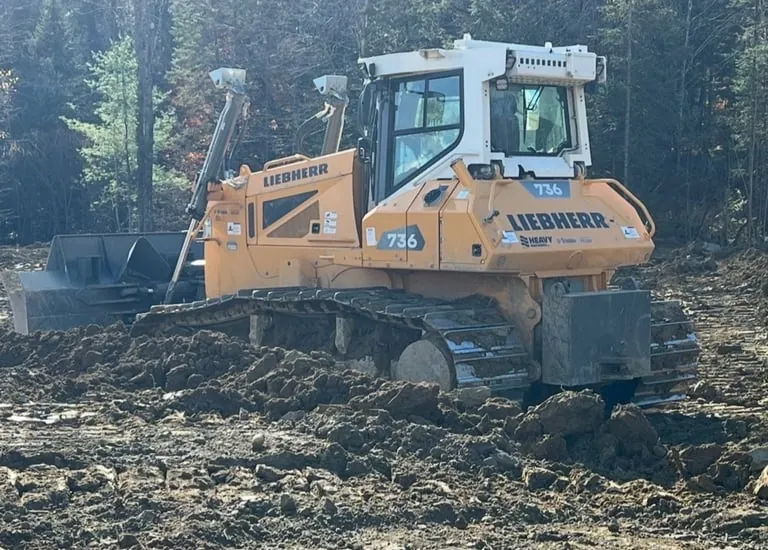
Wooded ground hides information. Brush can cover ledge, boulders, old fencing, discarded material, wet depressions, culverts, and sharp changes in grade. Walk the site on foot before equipment is selected. Look at where water already collects or crosses the property, where the ground feels soft, and where a machine would need room to work. Aerial images are useful for orientation, but they do not show every condition that affects production or the finished result.
Wet ground and slopes deserve particular care. Repeated equipment passes can rut soft soil and redirect runoff. Removing vegetation can expose soil that had been held together by roots and ground cover. Maine's erosion and sediment control guidance is useful context for protecting disturbed ground. In practice, the plan should keep unnecessary traffic off soft areas and include a finish that does not leave exposed soil waiting for the next hard rain.
Work near wetlands, streams, ponds, and shoreland areas may also need early review. Maine's Natural Resources Protection Act information explains that activities near protected natural resources can require a permit. The practical move is to understand the limits before the work begins, not after vegetation or soil has been moved.
5. Match the clearing method to the finished use
A small, open patch with light growth may be manageable with hand tools or compact equipment. That approach gives a property owner more control near gardens, stonework, and individual trees, but it also creates a material-handling job. Cut brush and small trees take up more room on the ground than most people expect, and moving them twice can quickly outweigh the savings of a lighter first pass.
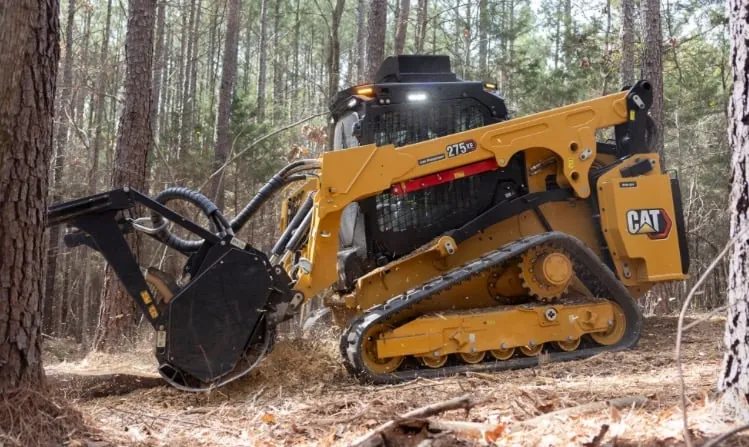
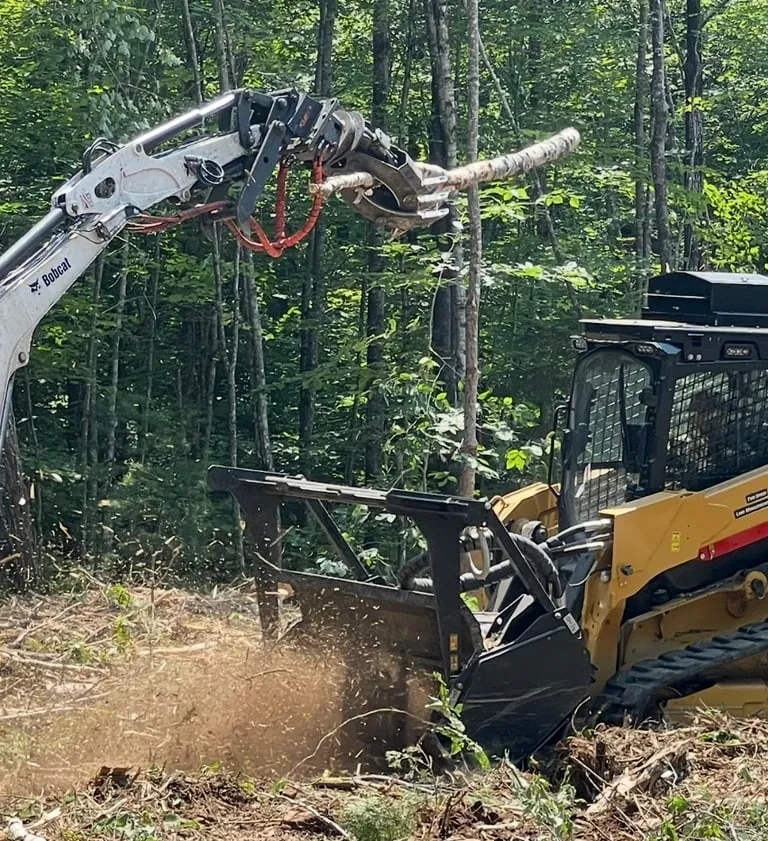
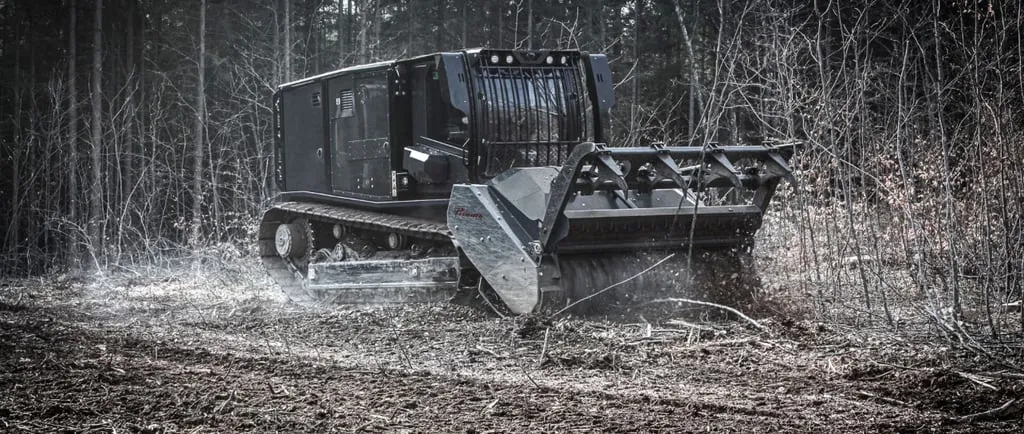
Forestry mulching is often a practical option for dense brush, saplings, trail corridors, woodland edges, and areas where processed organic material can stay on site. It reduces vegetation into a mulch layer and can avoid a separate pile, burn, or haul-off plan. It is not the same as construction clearing. A foundation area, septic field, utility route, or finished building pad may need tree removal, stump work, excavation, and grading beyond what mulching is intended to do.
Conventional clearing makes sense when larger trees and stumps need to be removed, material must be loaded out, or the area is moving directly into construction. It can also be the right choice where the final grades, utilities, or access route need to be established soon after the trees are down. The important point is to match the method to the finish. A low-impact treatment around a trail is different from a clean, construction-ready work area.
The forestry mulching service and equipment fleet show why the machine should fit the terrain, vegetation, and access rather than simply the number of acres on a map.
6. Locate utilities and hidden site features
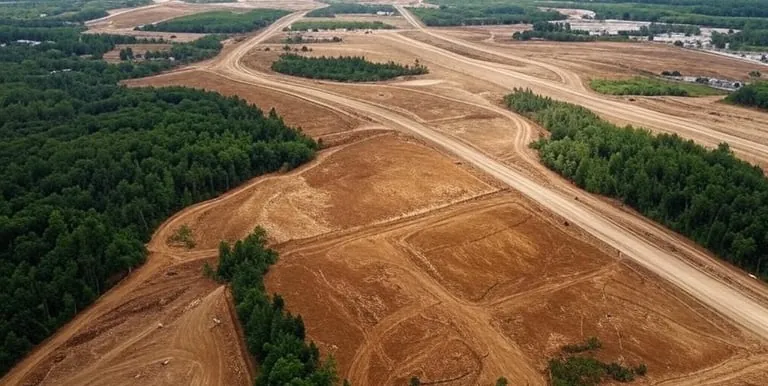
Before digging, trenching, installing posts, or disturbing ground, request utility marking through Maine Dig Safe. Utility marking is an essential early step, but it does not identify every privately owned feature. Wells, septic tanks and fields, private power, irrigation, old drains, abandoned wire, and buried debris may still need to be identified by the owner or investigated during a site visit.
Above-ground features matter too. Check for low wires, old fencing, culvert ends, rock walls, survey pins, sheds, and areas where prior work may have left fill or scrap. A machine can pull hidden wire into a cutting attachment or turn an old pile of material into a safety problem. Identifying known hazards in advance is faster and safer than discovering them after production has started.
If the project includes a future utility route, decide where it belongs before full clearing begins. A route that works for excavation and future repairs may not follow the exact path that feels easiest to brush out on day one. Coordinating the corridor early avoids reopening wooded ground and disturbing a finished area a second time.
7. Give trees, stumps, brush, and soil a destination
Every clearing job creates material. Trees may be retained for a landowner, moved to a planned location, processed, hauled, or managed through another approved arrangement. Brush may be mulched, chipped, loaded out, or placed where it will not interfere with future work. Stumps may be left in a low-impact clearing area or removed where a finished grade, building, lawn, access route, or utility corridor requires a cleaner subgrade.
Decide that destination before the first tree is down. A convenient pile can become a problem when it ends up in a turnaround, near a drainage route, on a future septic reserve area, or where equipment needs to return for grading. The same applies to topsoil and rock. Material that has a useful future purpose should be kept accessible and separate from unsuitable material or mixed debris.
For a larger site, the material plan should be part of the quote, not an assumption. Cross Country's guide to what shapes a land-clearing quote explains why vegetation, access, ground conditions, and disposal all affect the actual scope of work.
8. Clear in phases when the whole parcel is not ready
A large wooded parcel does not always need to be cleared all at once. A sensible first phase may establish safe access, create a defined work area, and open the ground needed for the next decision. Lower priority woods can remain intact until a house plan, utility design, seasonal condition, or budget makes the next phase clearer. Phasing protects useful trees and keeps the project from spending money on ground that has no immediate use.
The phases should still work together. Avoid placing a material pile in the next driveway route or clearing an area that will later be used to stage drainage work. Think through the order: access, utility marking, clearing, material handling, drainage, excavation, and stabilization. Not every property needs every one of those steps, but the sequence should fit the ground and the planned outcome.
This is where a field-aware contractor adds value. The team can see whether an early clearing pass will help the project move forward or create a new obstacle for the work that follows. That is especially helpful on properties with long access, varied terrain, wet ground, or a mix of residential and larger sitework needs.
9. Prepare for a useful clearing estimate
You do not need a finished engineering plan to start a conversation, but useful details lead to a more useful estimate. Share the property location, approximate work area, photos from the entrance and inside the woods, the intended end use, and any available survey, septic information, driveway sketch, or building concept. Point out the features that need to stay and the conditions you already know about.
Ask what the finished area will look like. Is the scope limited to cutting vegetation, or does it include tree removal, stumps, mulch or haul-off, access improvements, drainage, rough grading, and erosion control? Ask where material goes, which assumptions depend on site conditions, and what happens if ledge, buried debris, or soft ground changes the approach. Clear answers make it easier to compare proposals based on the same work.
How Cross Country Land Services helps
Cross Country Land Services helps property owners and project teams turn wooded ground into a workable next step. The team can assess whether a site needs selective clearing, forestry mulching, full tree and stump removal, access work, excavation, drainage, or erosion controls, then organize the work around the property's actual use.
That whole-site view is useful when a project extends beyond the first clearing pass. The team works across Maine, New Hampshire, and Vermont with the equipment and field experience to connect clearing to the road, utility, drainage, and site-preparation decisions that follow. Start a project conversation when you are ready to discuss the ground, the goal, and the best sequence for the work.
The bottom line
The right way to clear wooded land is to define the future use before the first tree is removed. Set limits, plan access, inspect the ground, protect utilities and sensitive features, choose a method that fits the finish, and give every material a destination. That approach leaves more useful land and fewer surprises when the next stage begins.