Worksites, Development, And Rural Land
Maine Access Road Contractors
Put a dependable route where crews, equipment, materials, and the next stage of the project need to move.
Discuss Your Access Road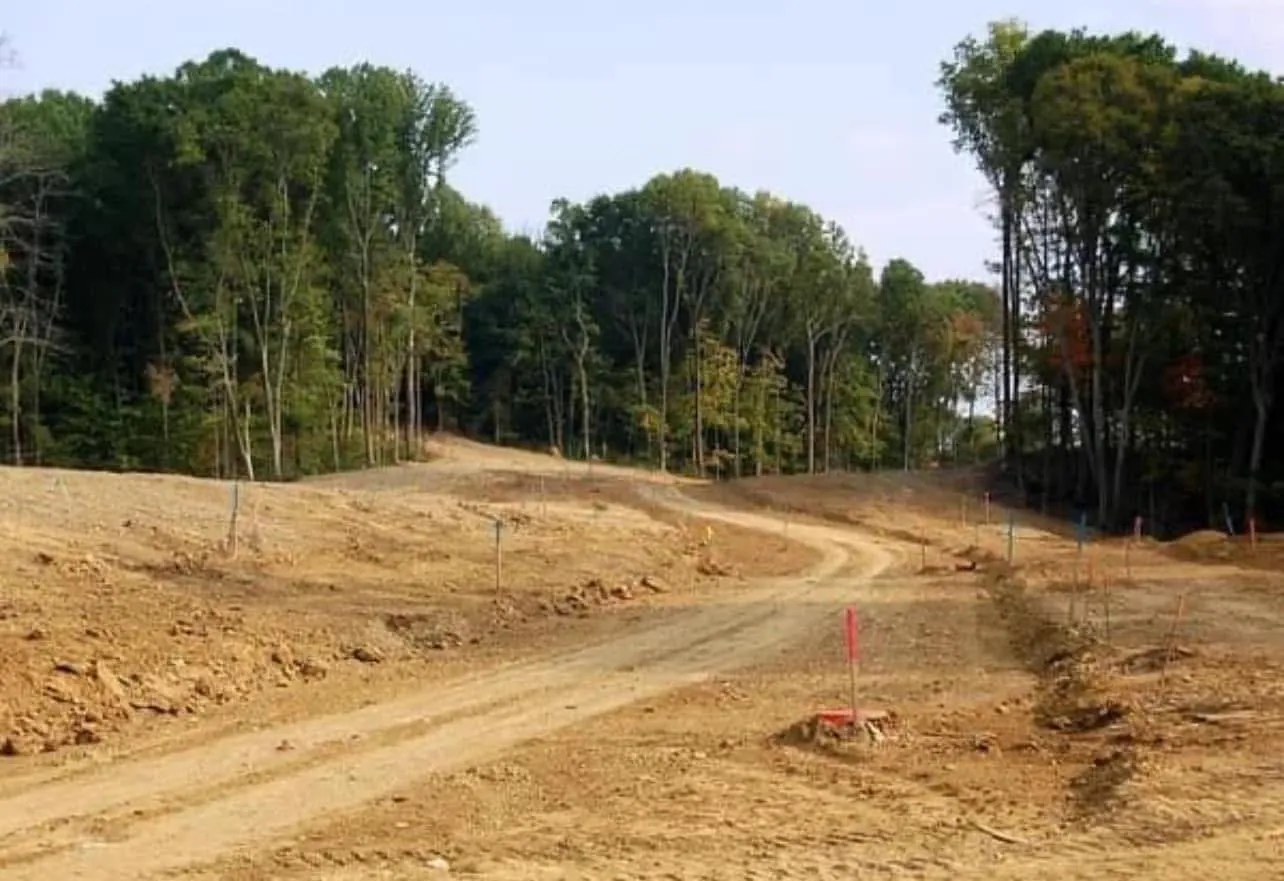
Access is the first piece of the project that has to work
A reliable access road gives the rest of the work a way in. It can open a property for surveying, clearing, utility work, construction, material delivery, environmental work, or ongoing maintenance. When the route is weak, too narrow, poorly drained, or planned without the next phase in mind, the whole project starts with a constraint.
Cross Country builds Maine access roads around the traffic and field conditions they need to handle. The route may need to carry pickup trucks and maintenance vehicles, larger equipment, construction materials, utility crews, or repeated traffic over changing seasons. That expected use informs the alignment, clearing limits, base preparation, drainage, turning areas, and finished surface.
The goal is not simply to cut a path through the woods or push gravel onto uneven ground. It is to create a route that lets the property or project move forward with a clearer sequence, practical access, and fewer field surprises when the next crew arrives.
Road construction for the work beyond the gate
An access road needs to match its job. A temporary construction route can have different priorities from a permanent private road. A utility corridor may need to accommodate specialized equipment and future maintenance. A larger property may need a route that reaches work areas while preserving the land outside the actual road corridor.
- Construction and development access roads
- Private roads, extended rural routes, and property access
- Utility, right-of-way, and maintenance corridors
- Equipment routes, staging access, and turning areas
- Access improvements for public, environmental, and civil work
- Road upgrades where drainage, width, or surface condition is limiting use
This broader role is what separates an access road from a standard residential driveway. The road may need room for trucks to pass, equipment to turn, materials to be staged, or several project phases to use the same corridor. Discussing those needs at the beginning makes it easier to build a route that supports the work instead of forcing every later decision into a road that is already too limited.
Route, grade, and drainage work together
The best route is rarely decided by distance alone. Grades, side slopes, wet areas, ledge, existing trails, vegetation, overhead lines, water crossings, and the location of future work can all change where a road should go. A slightly longer alignment can be the better choice if it creates safer movement, better drainage, less disturbance, or a more durable surface.
Water management is central to that decision. An access road needs to shed water from its surface and allow natural flow to pass through or around the corridor without weakening the road structure. Depending on the ground, that can involve shaping a crown, creating ditches or turnouts, setting culverts, managing cross-drainage, or building the route at an elevation that does not trap runoff where traffic needs to travel.
Cross Country evaluates those practical connections before the work gets too far ahead. This helps protect the investment in clearing, aggregate, grading, and equipment time, while giving the finished route a better chance of holding up under the traffic it was built to carry.
Prepare the corridor before the road surface goes down
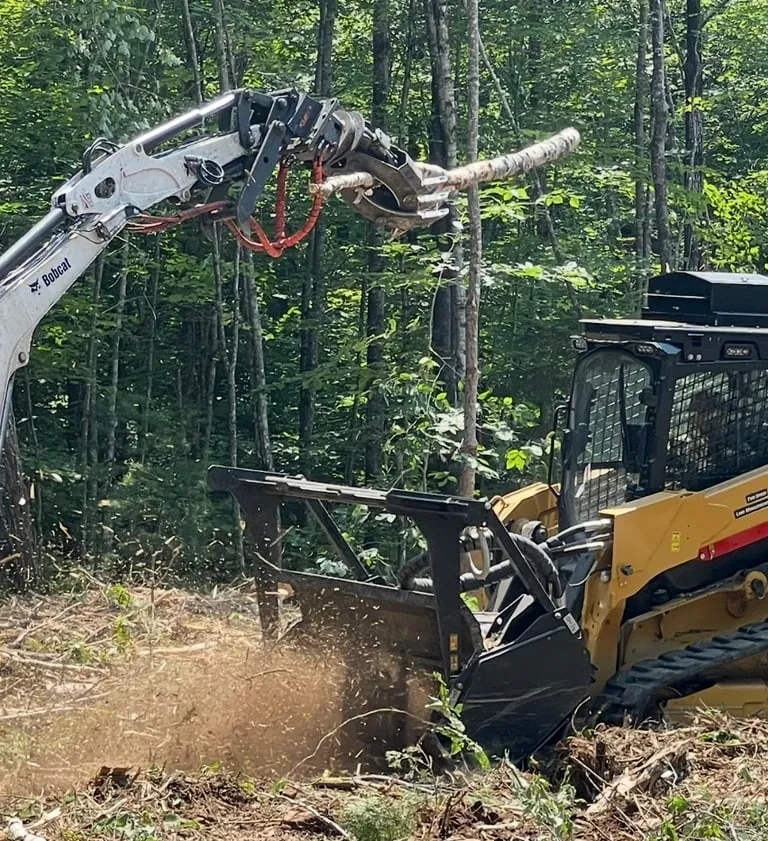
Road building starts with the corridor. Trees, brush, stumps, unsuitable material, loose ground, and obstacles below the surface can all affect what a road needs underneath it. The preparation should be appropriate for the planned use and the existing conditions, whether the work calls for focused vegetation management or a more complete clearing and earthwork scope.
Cross Country can coordinate commercial land clearing, excavation, grading, material handling, and erosion measures around the same plan. That is valuable for projects where access is only one part of the scope and the route needs to serve later clearing, construction, utilities, drainage, or environmental work.
Material selection also follows the ground and traffic. A surface suitable for occasional light use may not be right for repeated heavy deliveries or a route that will stay active during construction. Knowing that difference up front helps the team recommend a practical sequence and lets the owner or project manager make better decisions about where to invest first.
The corridor should also leave room for the work around it. A route with a controlled clearing limit, understood drainage outlets, and enough width for equipment is easier to inspect, maintain, and use safely. That is especially important where the road will connect several work areas or stay active while other parts of the property are being developed.
Keep the road useful through the next phase
Access roads often need to do more than open the site once. They may carry clearing crews first, then excavation equipment, utility teams, building materials, inspectors, or maintenance traffic. A route that has room for those transitions saves time and prevents a productive first stage from becoming a bottleneck once the project begins to move.
That is why Cross Country discusses turning areas, equipment movement, staging, haul paths, and the order of work alongside the road itself. A clear road plan can support phased work without disturbing more ground than the immediate task needs. It can also create a stronger handoff between the people preparing the site and the people who will use it next.
For a home, camp, garage, or smaller private property route, the more focused Maine driveway construction service may be the better fit. For projects that also need grading, drainage, trenching, or prepared building areas, explore Maine sitework contractors.
Once the route is in service, the same practical questions remain: where should water leave the road, how will the surface be refreshed, can maintenance equipment reach the full corridor, and will the next project phase create new traffic demands? Addressing those questions during construction gives owners and project teams a road that is easier to operate as conditions change.
Bring the project details that shape the right access road
A useful access-road proposal starts with what the route must support. That matters more than a rough length alone. A narrow path for occasional property access is a different project from a road serving construction traffic, heavy equipment, a utility corridor, or multiple field crews working on a schedule.
- Property or project location and the planned road corridor
- Plans, surveys, maps, sketches, or marked work limits
- Who and what needs to use the route, now and later
- Known wet areas, streams, drainage paths, slopes, or ledge
- Road connections, access constraints, and needed turnarounds
- Schedule, staging, material, utility, and follow-on work needs
A field review can then identify the details a drawing may not show: ground firmness, actual equipment access, hidden debris, changes in elevation, the best location for material handling, and the way water moves when conditions change. That gives the project a more useful road plan before work begins.
It also gives everyone involved a clearer starting point for field decisions once the work is underway.
Frequently Asked Questions
Access roads built around the work they need to carry
What is the difference between an access road and a driveway?
A driveway typically serves a home, camp, or private building. An access road may serve a larger property, a worksite, a utility route, a timber or conservation area, multiple phases of construction, or heavier equipment. The route, base, drainage, and turning needs should match the traffic and the work it must support.
Can you build an access road on wet or uneven ground?
Potentially, but the route and construction method need to respond to the actual site. Wet areas, ledge, slopes, drainage crossings, soft soils, and limited turning space can all affect the plan. A site review helps determine whether a route needs preparation, drainage measures, a different alignment, or phased construction.
Do access roads need drainage and culverts?
Most access roads need a clear plan for surface water and natural drainage. Ditches, crowns, turnouts, culverts, and other measures may be needed depending on the ground and the route. The point is to keep water from weakening the road structure or creating erosion along the corridor.
What should a project team provide for an access-road proposal?
A location, plan or sketch, the intended users and equipment, route length, schedule, known wetland or utility constraints, road connection, and the work that follows are all useful. Cross Country can then review field access, terrain, drainage, material needs, and the practical sequence for the work.
Open The Route