Commercial Sitework
Commercial Land Clearing Across Northern New England
Clear the site with the access, ground conditions, and next phase of work already in view.
Discuss Your Project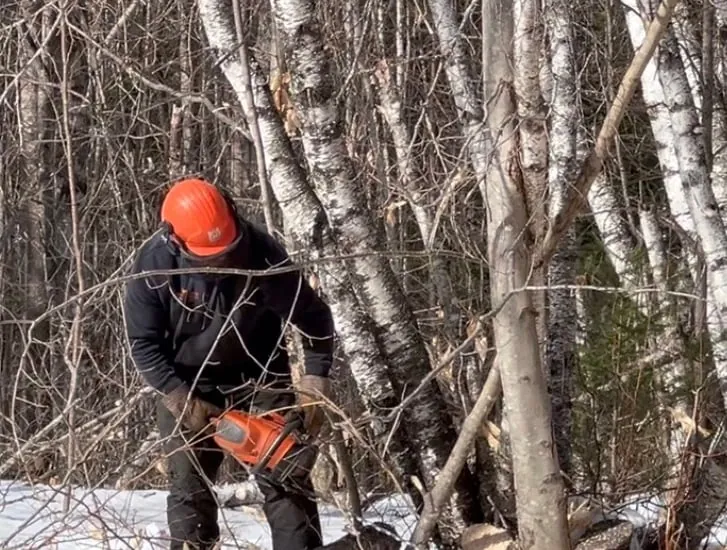
Start with a site that can move forward
Commercial land clearing is not simply a vegetation-removal task. It sets the conditions for access, surveying, earthwork, utilities, drainage, building work, and the teams that follow. A clearing scope that ignores those next steps can leave a project with poor access, material in the wrong place, missing work limits, or ground that needs to be opened again.
Cross Country approaches land clearing as part of the broader field plan. The crew looks at the intended use, limits of disturbance, terrain, existing access, retained features, water movement, and the sequence of construction. That coordination is especially valuable on Northern New England sites where ledge, wet areas, variable soils, seasonal ground conditions, and long access routes can affect the work from the beginning.
Built for projects with a real next phase
The right scope depends on the project, but commercial land clearing often needs to support more than an open field. It may need to create a workable corridor, establish a staging area, prepare a future building zone, or make room for drainage and utility work to proceed safely.
- Commercial and industrial development sites
- Municipal, civil, and public-infrastructure projects
- Utility corridors, access routes, and right-of-way work
- Site expansions, laydown areas, and equipment access
- Road, driveway, culvert, and drainage preparation
- Environmental restoration and managed land improvements
Work may include vegetation and tree removal, brush management, stump handling, rough grading, access preparation, material movement, and coordination with erosion control. The final scope should be anchored to the approved plan and the conditions found in the field, not a generic acreage number.
For a larger site, clearing can also be phased around the portions of ground the project needs first. Opening a route for survey or test work, preparing a staging area, and clearing a future construction zone are different tasks with different timing. A phased approach can help keep active work moving while limiting disturbance to the areas that are ready for the next step.
Coordinate the clearing with the construction plan
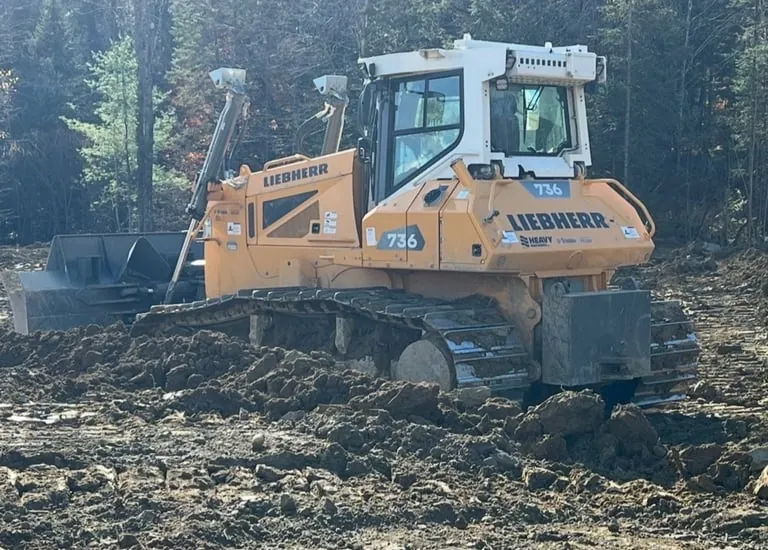
A commercial site can lose time when clearing, access, drainage, utility, and grading decisions are treated as separate problems. The location of a temporary route affects later road construction. The way brush and timber are managed affects staging. A clearing line can affect drainage outlets, erosion controls, and the room available for the next crew.
Cross Country can align clearing with excavation, roads, culverts, trenching, and environmental site measures when those scopes are part of the project. That field coordination helps keep the site organized and supports a more reliable handoff to the work that follows.
Access and staging deserve the same attention. Crews need room to enter, turn, fuel, load, and work without creating conflict with traffic, neighboring parcels, or protected ground. Material that cannot remain in place needs a defined handling plan. Addressing those field details early helps avoid a clearing operation that interrupts the schedule it was meant to support.
Work from the limits, not around them
Clear work limits matter before equipment mobilizes. Existing utilities, wetlands, streams, shoreland areas, ledge, drainage features, retained trees, property boundaries, and cultural or site features can all shape where and how a crew works. Identifying those conditions early makes it easier to define access, protect sensitive ground, and avoid preventable changes in the field.
For active construction work, the sequence should also account for erosion and sediment control. Clearing exposes ground and changes how water moves across it, particularly on slopes and during wet periods. Planning clearing with drainage and stabilization measures helps protect the work area and supports the project's environmental obligations from the start.
The same is true for utility and inspection coordination. Existing services, proposed trench routes, temporary power, and the areas needed for field review should be visible in the work plan before clearing reaches them. Clear communication around those points helps the crew maintain progress while preserving the access and information other project partners need.
Scale and documentation for demanding sites
Commercial and public projects need a partner that can work from plans, communicate around changing field conditions, and maintain a disciplined site presence. Cross Country is a veteran-owned Maine contractor with experience in heavy civil, environmental, access, and site-execution work. The company supports project teams that need practical field capability alongside clear attention to safety and compliance.
That combination is useful when the work has moving parts: engineers, owners, inspectors, utility teams, builders, and specialty subcontractors may all depend on the ground being ready at the right time. For projects that need broader public or infrastructure support, see Cross Country's civil and government sitework services. For a general view of the company's field capabilities, visit land clearing and excavation capabilities.
What helps shape a commercial clearing proposal
The more clearly the project team can describe the intended outcome, the more useful the initial conversation will be. Early detail helps Cross Country understand whether the site needs focused clearing, a coordinated site-preparation scope, or a phased plan that supports later construction work.
- Project location, schedule, and primary point of contact
- Plan sets, work limits, or a marked area of disturbance
- Intended use after clearing and the next project phase
- Known utilities, wetlands, drainage, or access constraints
- Staging, material handling, and haul-route considerations
- Required safety, environmental, or reporting expectations
A site walk can then address the conditions that drawings do not always show: soft ground, ledge, turning space, vegetation density, traffic patterns, and how crews and equipment will move through the site. That field-level clarity helps turn a broad clearing request into a scope that supports the project from the first day of work.
Early coordination also gives the project team a clearer basis for sequencing. Clearing can be planned around survey work, permitting, seasonal ground conditions, utility scheduling, or phased construction instead of becoming a last-minute constraint. The result is a more useful starting point for every crew that follows.
Keep the clearing scope useful after the first pass
The best clearing plans account for what the site will look like after equipment has moved on. Temporary access may need to remain usable for later trades. Staging areas may need to stay clear through the next construction phase. Material and vegetation limits need to be understood by the field team and the project team. Those details help prevent a productive first pass from creating a new coordination problem later.
Cross Country works with owners, engineers, and project teams to keep that relationship between clearing and the next phase visible in the field. Whether the site is moving toward a building, utility work, public improvement, or environmental restoration, the goal is to leave the ground organized for the work that needs it next, with fewer avoidable field surprises.
Frequently Asked Questions
Commercial land clearing for Northern New England project teams
What does commercial land clearing include?
Commercial land clearing can include vegetation removal, tree and stump handling, brush management, access preparation, rough grading, material management, and coordination with the next phase of construction. The exact scope depends on the approved plan, site conditions, environmental requirements, and the work that follows clearing.
Can land clearing be coordinated with excavation and utilities?
Yes. When a site also needs grading, drainage, roads, culverts, utility trenching, or erosion-control measures, planning those pieces together can reduce rework and help the project move through the site in a logical order.
What site information helps before requesting a proposal?
A plan set, project location, rough limits of disturbance, schedule, access information, known utility or wetland constraints, and the intended next phase are all useful. A site walk can clarify ground conditions, staging, material handling, and the equipment approach.
Does Cross Country work with public and civil project teams?
Yes. Cross Country supports commercial, municipal, civil, and government project teams across Maine, New Hampshire, and Vermont. The company is veteran-owned and brings sitework, environmental field execution, and certification-focused planning to demanding ground conditions.
Plan the Work That Follows