Brush can make a good property feel smaller than it is. It can close in a driveway, hide a stone wall, crowd a field edge, block a trail, and make it harder to see where water, trees, and usable ground actually are. Clearing it well is not just a matter of cutting everything that is green. The goal is to open the right area without creating a pile of material, a muddy access route, or a second round of work when the property moves to its next use.
The best approach depends on the density and size of the growth, the terrain, the finish you need, and whether the project is a small cleanup or the first phase of a driveway, homesite, pasture, trail, or larger clearing plan. This guide helps Maine property owners sort out those decisions before a saw, mower, or machine enters the work area.
1. Define what the cleared area needs to become
Start by naming the outcome, not the tool. A trail through light saplings, a wider field edge, a better view, a firebreak, a clean building area, and a driveway corridor can all look like “brush clearing” from the road. They require different limits, different finishes, and different decisions about stumps, roots, soil, and material.
Walk the property and mark the area you actually want opened. Include trees to keep, stone walls, visible boundary markers, wet ground, overhead lines, old fencing, and the route equipment would use to reach the work. For a future building or access project, bring the survey, driveway sketch, septic information, or any early plan to the conversation. Those details keep a clearing pass from occupying the exact ground needed later.
A useful first distinction is between vegetation management and site preparation. Vegetation management removes or reduces brush while leaving the ground largely intact. Site preparation may also involve tree removal, stump work, excavation, drainage, grading, and access. Cross Country's Maine land services can help connect those phases when the brush is only the first obstacle.
2. Check safety, utilities, and limits before cutting
Brush hides hazards. Before starting, look for wire, old fencing, culverts, scrap, wells, septic components, drainage outlets, stone walls, and low or downed overhead lines. A machine can pull hidden wire into a cutting head, and a mower can throw debris farther than a property owner expects. If the ground is uneven, walk it on foot first instead of assuming a dense patch is solid.
For any work that involves digging, trenching, driving posts, or disturbing ground, request utility marking through Maine Dig Safe. Public markings do not identify every private line, so also locate wells, septic systems, private power, irrigation, and any old site features you know about. Marking them on a simple sketch before work starts is far less expensive than finding them with equipment.
Set the limits of work with stakes, flagging, or a clear walk-through. This matters where brush meets a neighbor's property, a road, shoreland, or a woods edge you want to keep. A defined limit also keeps a small job from expanding one pass at a time until the scope, disposal plan, and price no longer match.
3. Match the method to the brush and the finish
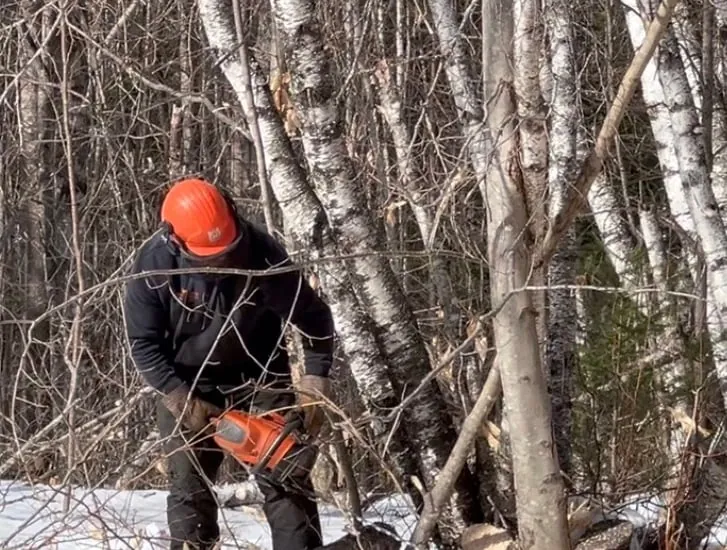
Hand tools and walk-behind equipment are reasonable for a small, accessible area with grass, light stems, and a manageable place to put the cut material. They give you precision around gardens, stonework, young trees, and tight corners. The tradeoff is slow production and a lot of handling. A patch that looks small can create several trailer loads of brush once it is on the ground.
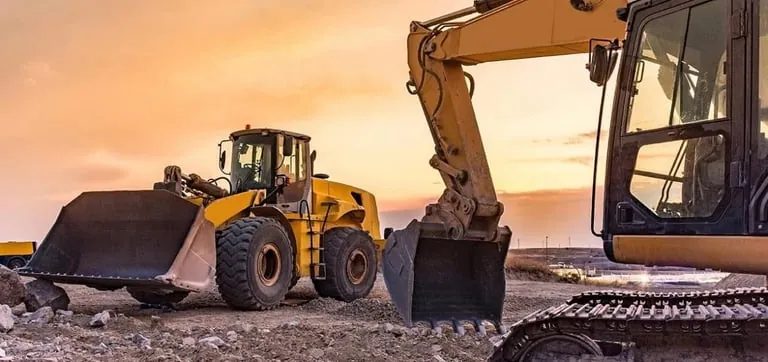
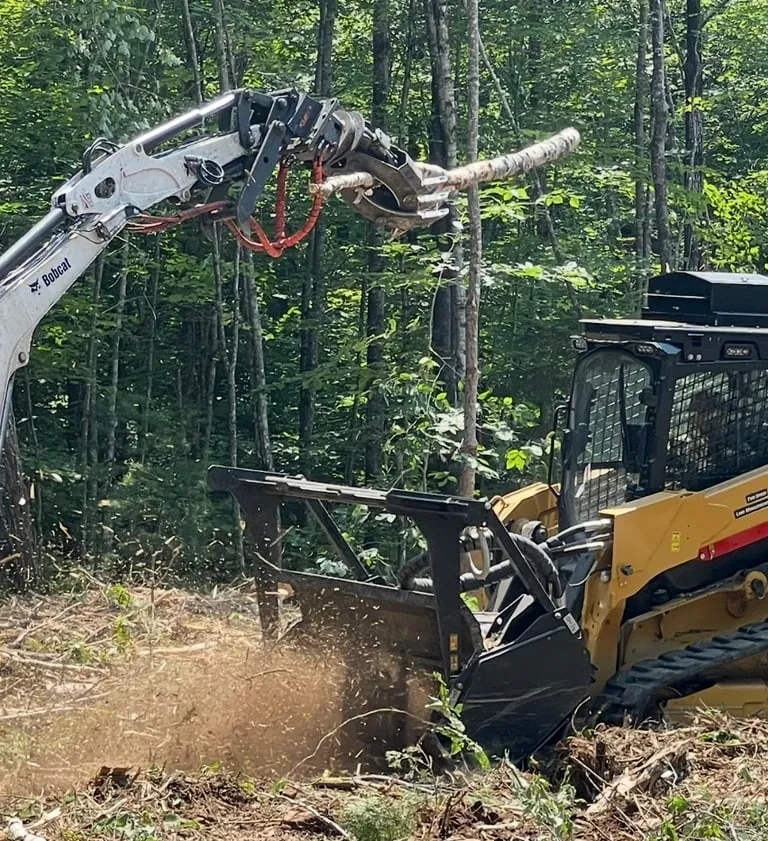
Brush cutters, tractor implements, and skid-steer attachments can cover more ground, but they need stable access, room to turn, and a clear understanding of what is below the vegetation. They are usually best for lower growth and open ground. Larger stems, embedded rock, wire, steep slopes, and wet pockets can quickly turn a simple mowing task into a safety or equipment problem.
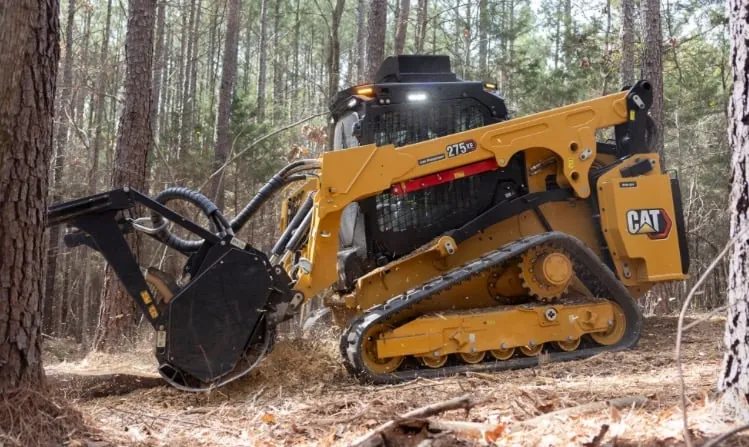
Forestry mulching is often a strong fit for dense brush, saplings, invasive growth, trail corridors, right-of-way work, and larger areas where leaving processed organic material on site is useful. It reduces vegetation into a mulch layer instead of creating brush piles that need a separate handling plan. It is not a substitute for full construction clearing when a foundation, septic area, utility route, or finished grade needs stumps removed and the ground prepared.
Cross Country's forestry mulching service and tracked equipment fleet show the kind of work that benefits from a machine chosen for terrain and material, rather than just the number of acres on a map.
4. Clear in a sequence that keeps the property usable
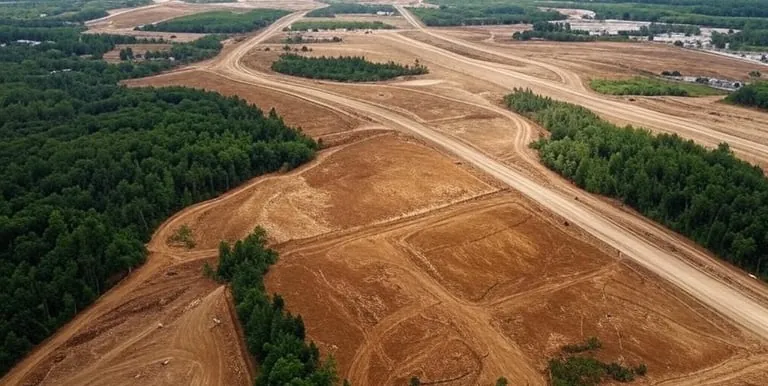
Start from a safe access point and work outward in deliberate passes. Keep an open route back to the entrance, and avoid dropping material where it will block a culvert, ditch, driveway, or future work area. On a larger property, it is often smarter to establish access first, open the priority area second, and leave lower-priority edges for a later phase.
Cut or mulch in a way that preserves the ground. Repeated turns on soft soil can create ruts that concentrate water. Pushing brush into a wet hollow can make a later drainage problem harder to solve. Where the site has slope, work should account for the direction water already travels, because opening bare ground can increase runoff.
Keep desirable trees and understory protected by giving them space. Do not assume every small tree should be removed. In some areas, selective thinning and a defined edge deliver the usable ground and sightlines you want while preserving shade, screening, and root stability. This is especially useful around a home, along a road, or at the edge of a field.
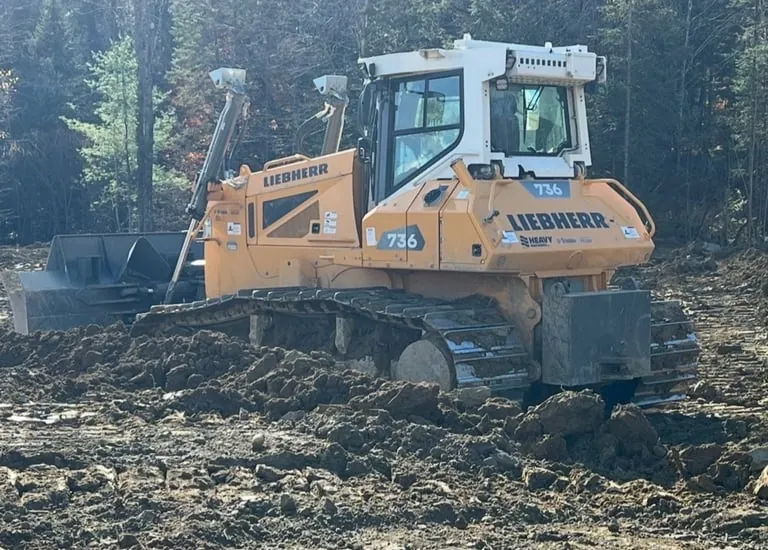
If a new driveway, access road, or utility route is part of the plan, do not treat the brush clearing as a separate project. Coordinate the corridor with the ground work that follows. The residential land services page outlines why access, drainage, and stabilization are often connected.
5. Decide where every bit of material will go
The most common brush-clearing mistake is planning only for the cut, not for the material. Brush can be chipped, mulched, piled where appropriate, burned only when conditions and local rules allow, hauled away, or left as habitat in a planned location. Each option changes the time, cost, and final appearance of the work.
Mulch can be a practical finish on trails, woodland edges, and areas where soil cover is valuable. It is less suitable where you need a clean subgrade, visible finished lawn, or access for subsequent excavation. Brush piles should never be an afterthought near a driveway, utility area, structure, or drainage path. They take up more space than expected and are difficult to move once they settle.
Think about the future use before choosing the disposal method. A small pile that makes sense during a one-day cleanup may be in the middle of the future turnaround, septic reserve area, or building envelope. The earlier that choice is made, the less likely material needs to be handled twice.
6. Protect water, soil, and sensitive ground
Clearing brush can expose soil that was previously protected by leaves, roots, and ground cover. On level, well-drained ground, a small selective clearing job may need little more than a careful finish. On slopes, wet areas, shoreland ground, or an exposed construction site, the plan should include how the soil stays in place during rain and before the next phase begins.
Maine DEP provides a field guide for erosion and sediment control that is useful context for contractors and property owners. The practical point is simple: preserve vegetation where it is doing a job, direct runoff away from exposed ground, and stabilize disturbed areas before a heavy rain makes the problem visible.
Work near wetlands, streams, ponds, shoreland areas, and other protected resources deserves an early check. Maine's Natural Resources Protection Act guidance explains that removing or displacing vegetation or soil in or adjacent to protected natural resources can require a permit. Map-based information can be a useful starting point, but it does not replace site-specific review when the work is close to sensitive ground.
7. Know when a contractor is the practical choice
Bring in a professional when the work involves large acreage, dense saplings or trees, steep ground, a long or rough access route, buried debris, wet areas, utility conflicts, heavy material handling, or a finish that needs to support construction. The same is true when the property needs coordinated clearing, roads, culverts, grading, or erosion control. These are connected site decisions, not isolated machine tasks.
A good site visit should answer what stays, what goes, how the crew reaches the work, how material is handled, what the finish looks like, and what could change in the field. For a broader estimate, use the checklist in Cross Country's guide to land-clearing costs in Maine. It helps turn a vague brush problem into a scope that can be quoted fairly.
8. Prepare for a useful brush-clearing estimate
You do not need a perfect plan to ask for an estimate, but a few clear details make the answer much more useful. Share the property location, the approximate work area, photos from the entrance and inside the brush, the desired end use, and anything you already know about access or sensitive ground. Point out trees to keep and features that must remain untouched. That gives a contractor enough context to tell the difference between a quick vegetation-management pass and a project that needs more complete site preparation.
Ask what is included in the finish. Does the work stop after brush is cut, or does it include removing larger trees, managing stumps, spreading mulch, hauling material, fixing ruts, shaping an access route, or stabilizing exposed soil? The clearest proposals describe the limits, the material plan, and the conditions that could change the approach. That lets you compare options based on the work your property actually needs.
How Cross Country Land Services helps
Cross Country Land Services helps Maine property owners and project teams clear and prepare land around the work that comes next. The team can assess whether selective brush removal, forestry mulching, full clearing, access work, excavation, drainage, or erosion controls are the right fit for the site. The advantage is a plan that considers the whole property, not only the first pass through the brush.
Bring photos, the property location, any available plan, and a clear description of what you want the area to become. Start a project conversation when you are ready to map out the work.
The bottom line
The right way to clear brush is to plan the finish before the cutting begins. Define the limits, identify hazards, choose a method that fits the vegetation and ground, manage the material, and protect the parts of the property that make the next phase possible. That approach produces more usable land and fewer expensive surprises.