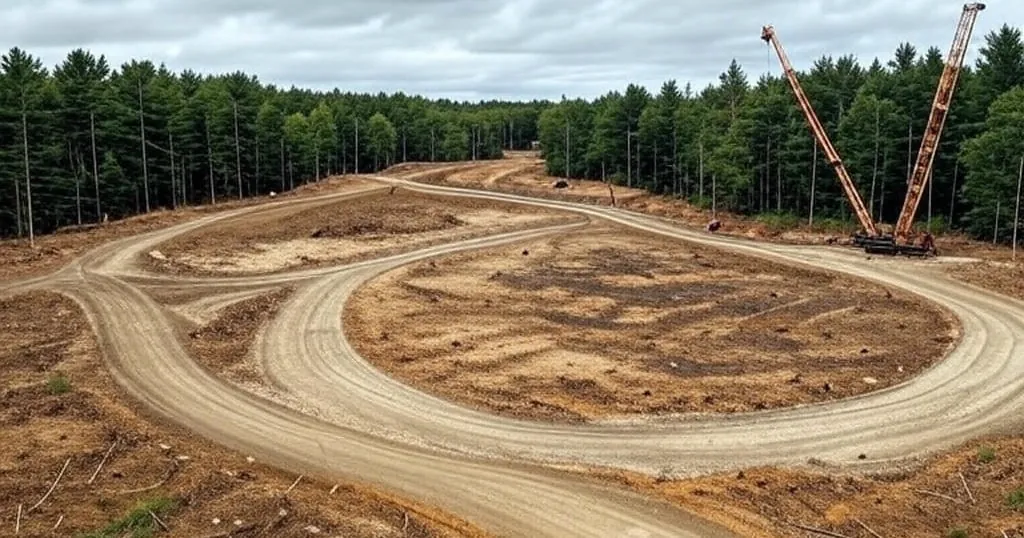
Do it yourself land clearing can be a sensible way to open a small corner of a property, tidy a fence line, reclaim a garden edge, or improve a short trail. It can also become an expensive way to find buried wire, damage a wet area, create a brush pile with nowhere to go, or clear ground that a future driveway or septic system needs. The difference is rarely motivation. It is the scale, access, vegetation, ground conditions, and the finish the land needs when the work is over.
The right first question is not, “Can I rent a machine?” It is, “What does this part of the property need to become?” A manageable cleanup and a construction-ready clearing scope are different jobs. This guide helps Maine property owners draw that line, take on the work that truly fits, and bring in the right help before a small project turns into rework.
1. Start with the finished use, not the equipment
A small project is a good candidate for do it yourself work when the desired finish is simple: lower grass, light brush, a few small saplings, or an already accessible edge that can remain natural after the cutting. You still need a clear boundary and a plan for the material, but the work does not change how water moves, how vehicles reach the property, or where a future building phase belongs.
The project changes as soon as the ground needs to support something more permanent. A homesite, camp, garage, driveway, access road, parking area, utility route, septic area, or commercial work zone needs decisions about stumps, roots, soil, drainage, access, and material handling. Clearing is then only one part of preparing the site. Cross Country's forestry mulching versus land clearing guide explains why a natural mulch finish and a construction-ready finish should not be treated as the same outcome.
Before buying fuel or renting equipment, sketch the work area and label what must stay. Include mature trees, stone walls, property markers, drainage ditches, wet ground, overhead lines, culverts, and any likely future route for a driveway or utility. That simple exercise often shows whether the job is truly a cleanup or whether it needs a broader site plan.
2. Know what is usually a good DIY fit
Do it yourself work is usually most practical where the vegetation is light, the ground is firm, and the owner can work from a safe, known access point. Hand tools, a string trimmer, brush cutter, chainsaw used by an experienced operator, or a small mower can be useful around a garden, field edge, trail, or maintained yard. The work should stay within a clear area where people, pets, structures, and vehicles can remain well away from the cutting.
Precision is one of the advantages of a smaller approach. It can make sense when the goal is to keep mature trees, work around stonework, open a view in stages, or preserve a screen between neighboring properties. A property owner can make careful decisions a few feet at a time, provided the terrain and material do not create a safety problem.
Keep the scope honest. Light brush is different from dense, woody growth. A single downed tree is different from multiple leaning trees. A short trail is different from a road corridor. When the work stays on the surface and the ground can remain intact, it may be reasonable to proceed slowly. When clearing requires pushing, pulling, digging, hauling, or reshaping the ground, the job has moved beyond a simple weekend cleanup.
3. Stop and reassess when the site adds risk
Some conditions are a clear signal to stop before equipment reaches the work area. Steep slopes, wet pockets, soft shoulders, deep ditches, ledge, unstable trees, dense saplings, and a narrow entrance all change what a machine can do safely. The same is true for ground that hides old fence, wire, scrap, rock piles, abandoned foundations, wells, or other site features. The problem is not only damage to a rented machine. It is the chance of injury, blocked access, damaged ground, or a repair that costs more than bringing in the right crew from the start.
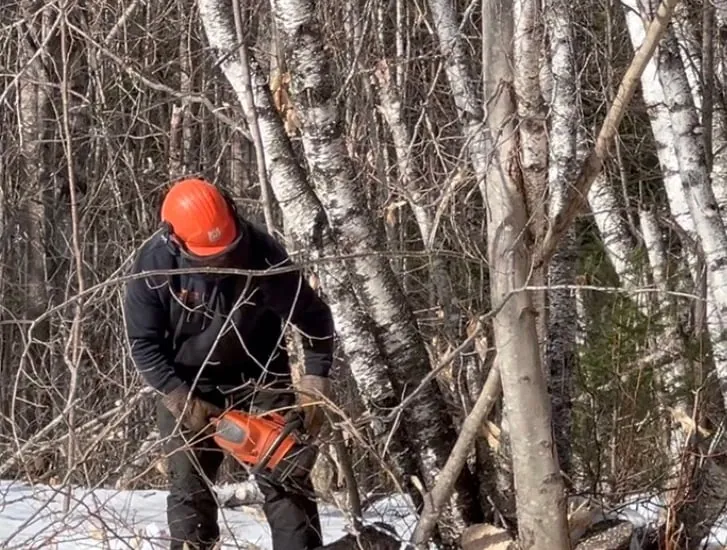
Be especially careful around trees that are larger than the operator is equipped and trained to handle. Trees near homes, roads, power lines, fences, parked equipment, or a neighbor's property should not be treated as routine firewood cutting. Direction of lean, rot, limbs, wind, root condition, escape routes, and the room available for a fall all matter. When the margin for error is small, a lower-cost plan on paper can become the highest-cost option on the property.
Access is another common limit. A machine needs a safe route in, a place to turn, and a route back out without crushing the ground that later needs to drain or carry traffic. The Maine access-road service is relevant when clearing has to connect to dependable vehicle access rather than just an open path through the trees.
4. Locate utilities, water, and property limits first
Before digging, trenching, driving posts, or disturbing soil, use Maine Dig Safe's utility-marking process. The service alerts participating utilities, but it does not reveal every private line or every feature on a parcel. Property owners still need to identify private power, water, irrigation, septic components, wells, and anything else that may be hidden under vegetation or leaf cover.
Water needs the same attention. Do not push brush into a ditch, over a culvert, toward a wetland, or down a slope simply because it is out of sight. Clearing can expose soil and change how rain crosses a property. Maine DEP's erosion and sediment control guidance is a useful reference when work exposes or moves soil. The practical point is straightforward: protect the low side of disturbed ground and keep soil and debris out of drainage paths.
Wetlands, streams, ponds, and shoreland areas deserve an early check before vegetation or soil is disturbed. Maine's Natural Resources Protection Act guidance explains that certain activity in or near protected natural resources can require a permit. Local rules and the specific property matter, so do not assume an activity is minor simply because the first task looks like cutting brush.
5. Choose a method that matches the finish
The right tool follows the finish. Hand tools and small equipment are useful for a limited, accessible area where the vegetation is light and the material can be handled safely. They offer control, but they also create more handling. A pile of cut brush takes up far more room than the standing growth, and it can quickly block a route or crowd the next phase of work.
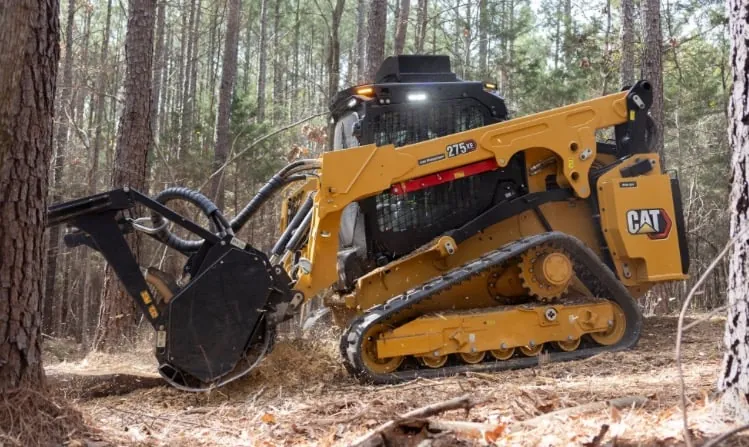
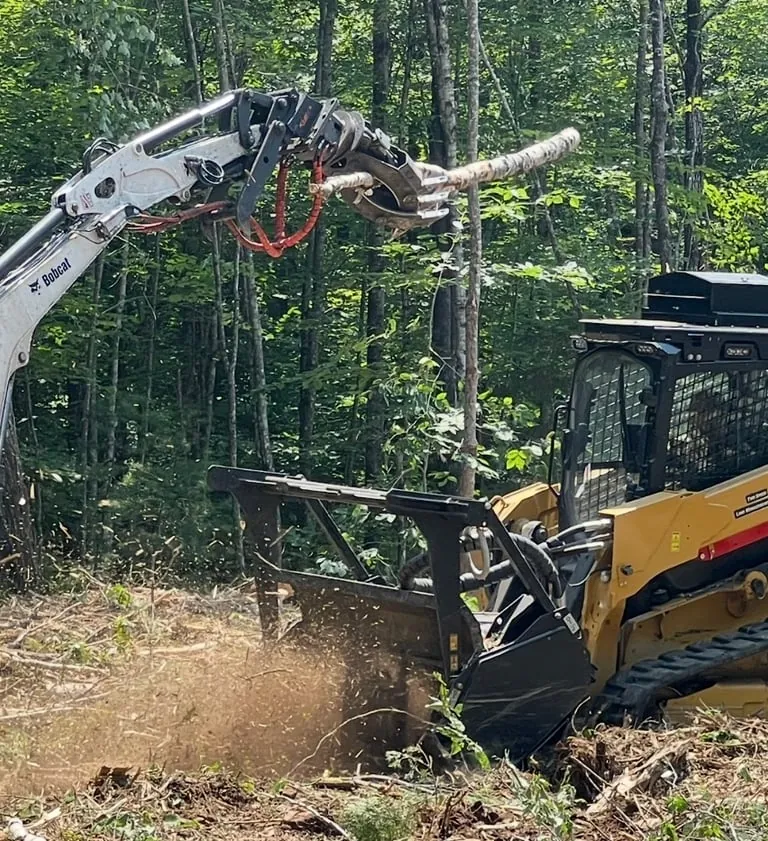
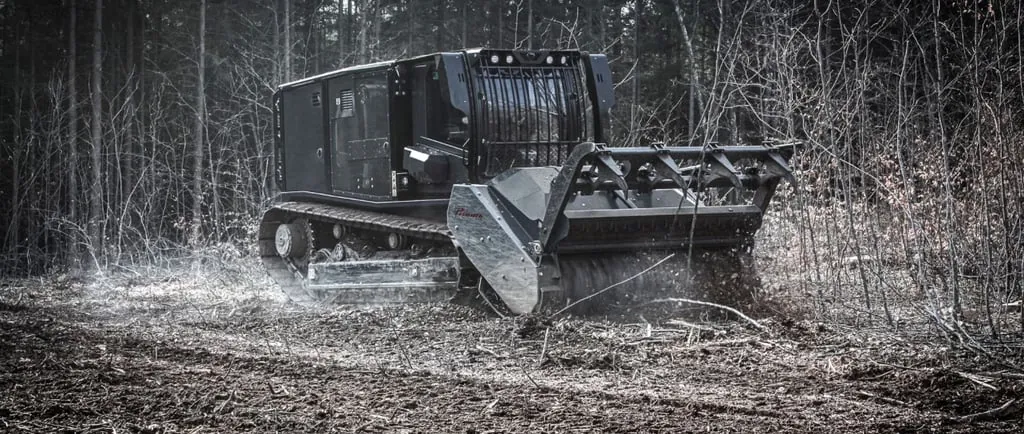
Forestry mulching can be a good fit for dense brush, saplings, trail corridors, field edges, and selected woodland areas where leaving processed material on the ground is useful. It reduces the need to gather and haul loose slash, while leaving a natural surface finish. Cross Country's forestry mulching service is built for this kind of vegetation-management work when the acreage, terrain, or density makes a hand approach impractical.
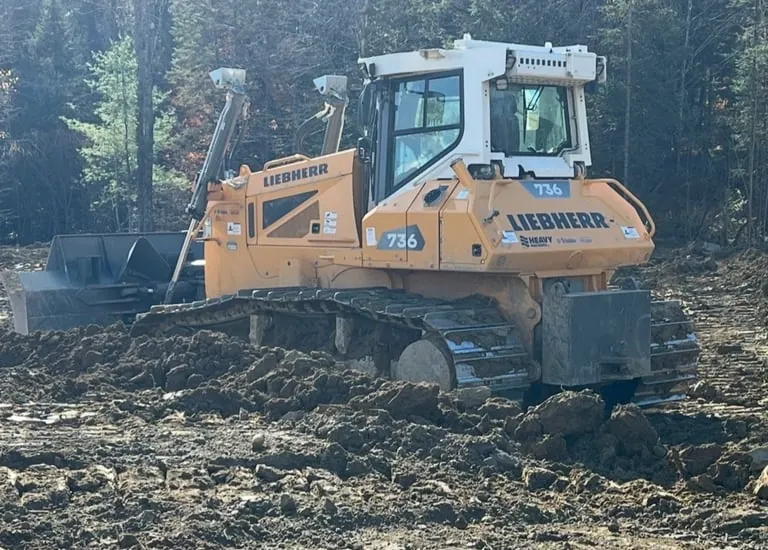
Full clearing is different. It can involve tree removal, stump and root handling, brush and timber management, excavation, rough grading, drainage, and a plan for the material that comes off the site. That scope is often right for a building area, driveway, septic system, utility corridor, or other work zone. It is not a failure to decide a DIY method does not fit. It is the right call when the ground must be ready for more than a visual cleanup.
6. Make a material and ground-protection plan
Every branch, stump, log, rock, and load of soil needs a destination before cutting starts. Brush may be chipped, mulched, hauled, or placed in an agreed location where it will not block access or drainage. Larger wood may have a separate use. Stumps may be harmless in a natural edge but unacceptable below a driveway, lawn, building pad, or utility route. A vague plan for “dealing with it later” is how useful ground becomes storage ground.
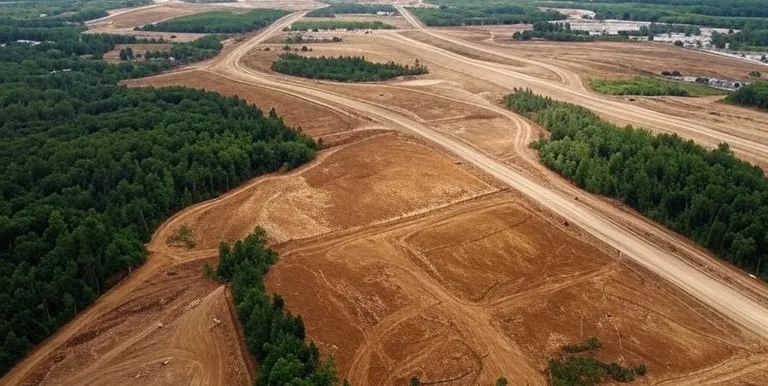
Avoid creating a pile on the future driveway, septic reserve area, turnaround, construction entrance, or drainage route. Keep valuable topsoil separate from brush, roots, rocks, and debris. The land-clearing cost guide explains why access, material handling, terrain, and the intended finish can change a quote far more than acreage alone.
Timing matters, too. If the work will expose soil and the next phase will not begin for months, ask how the ground will hold through rain, runoff, and seasonal conditions. Small projects can still create ruts, washouts, and muddy entrances when a machine works repeatedly on soft ground. Keeping the work inside the right limits is usually more useful than trying to clear every visible stem in one pass.
7. When a professional crew is the better value
Bring in a professional when the work involves large trees, dense or extensive growth, a steep or wet property, heavy material handling, difficult access, buried hazards, utilities, drainage, or any finish that must support construction. A crew is also useful when the task needs multiple connected steps: clearing, stumps, road preparation, culvert work, excavation, grading, and erosion control. Those details are easier to coordinate before the property is opened than after several separate crews have worked around one another.
A useful site visit should clarify what stays, what goes, how the crew reaches the work, where material goes, what the surface should look like afterward, and which conditions could change the scope. For a homesite or camp property, the Maine homesite clearing guide shows why the house, driveway, septic area, utilities, and drainage should be considered together before broad clearing begins.
Cross Country can also coordinate the field work around the next step, whether that is a driveway, access road, drainage repair, culvert, building area, or larger sitework scope. The Maine sitework service is the right starting point when clearing is only the first part of making a property usable.
8. Prepare before asking for help
You do not need a finished engineering plan to ask for guidance. A few clear details make the first conversation much more useful: the property location, photos from the entrance and inside the work area, the approximate limits, the desired end use, known obstacles, and anything that must be protected. A survey, house sketch, driveway concept, septic information, or even a marked aerial image can help connect the clearing to the work that follows.
Ask what the finished scope includes. Does it stop after vegetation is cut, or does it cover trees, stumps, material handling, hauling, access, drainage, rough grade, and soil protection? The strongest proposals describe the limits and the finish, not just a machine and an hourly rate. That gives an owner a real basis for comparing options and deciding what can wait.
How Cross Country Land Services helps
Cross Country Land Services helps Maine property owners and project teams choose the right level of work for the property. Sometimes that means a focused forestry-mulching pass. Other times it means clearing connected to access, drainage, excavation, grading, or stabilization. The goal is to protect the parts of the site that matter while making the finished ground useful for its next purpose.
Start with photos, the property location, and a plain description of what you want the land to become. Start a project conversation when the work needs more than a simple cleanup or when you want a clear plan before bringing equipment onto the property.
The bottom line
Do it yourself land clearing can work well when the area is small, accessible, and free of hidden complications. The moment the project involves large trees, wet ground, utilities, drainage, difficult access, stumps, material handling, or a future build, the smarter move is to plan the work around the finished site. That protects the property, the budget, and the next phase of the project.