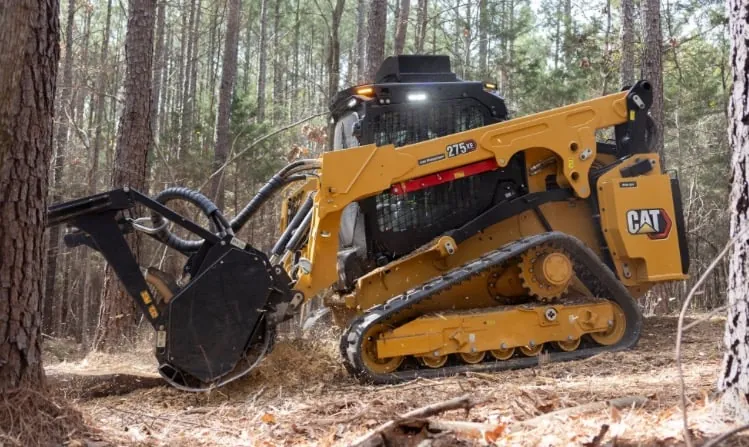
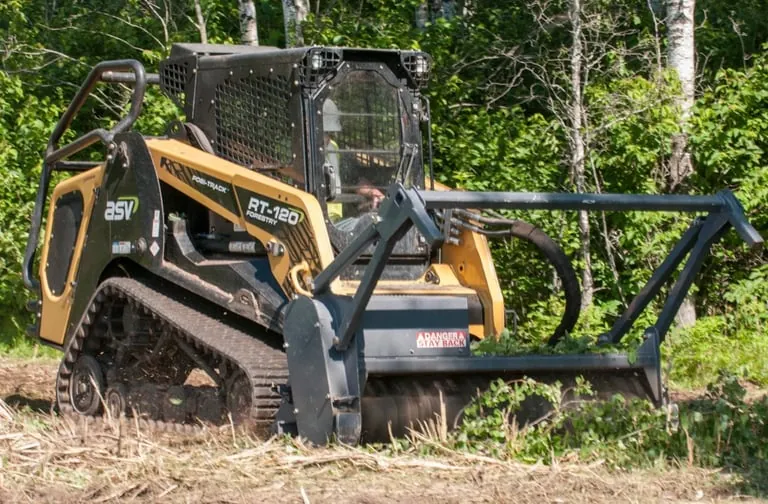
Forestry mulching can change the feel of a property in a day. A dense edge becomes visible, an old trail opens up, or an unused field starts to look like usable ground again. The work often leaves a clean, natural-looking layer of processed wood on the surface, which is part of the point. But the first pass is not automatically the final step. What happens next depends on what that piece of land needs to become.
A trail, a field edge, a view corridor, a wildlife opening, a future homesite, and a driveway approach all need different follow-up. The best time to decide is while the cleared area is still easy to read, before vegetation regrows and before another trade needs access. This guide gives Maine property owners a practical way to inspect the finish, protect the ground, manage the next growing season, and know when forestry mulching should hand off to more complete sitework.
1. Walk the finished area before calling it done
Start with a slow walk-through while the equipment path, work limits, and newly opened ground are easy to see. Look for the outcome you asked for: an open trail, a safer field edge, a clearer view, a usable access route, or a managed woods boundary. Then look for the details that can matter later, including marked trees, stone walls, drainage ditches, culverts, wet pockets, overhead lines, old fencing, and places where the terrain changes abruptly.
The goal is not to make every acre look like a lawn. Forestry mulching is usually chosen because it leaves roots and a protective organic cover in place rather than pushing all material into piles. A few larger pieces at the edge of an inaccessible area may be acceptable. Material in a driveway, a ditch, a future building area, or the path to a septic or utility location is a different conversation. Flag those locations before the next phase begins, not after equipment has to work around them.
Take photos from the entrance and from a few fixed points around the work area. They create a useful baseline for watching drainage, settling, and regrowth. If the clearing supports a larger project, keep the survey, rough site sketch, and photos together. The most valuable record is often a simple one that shows where the ground was before the next crew arrives.
2. Leave the mulch in place unless the next use needs bare ground
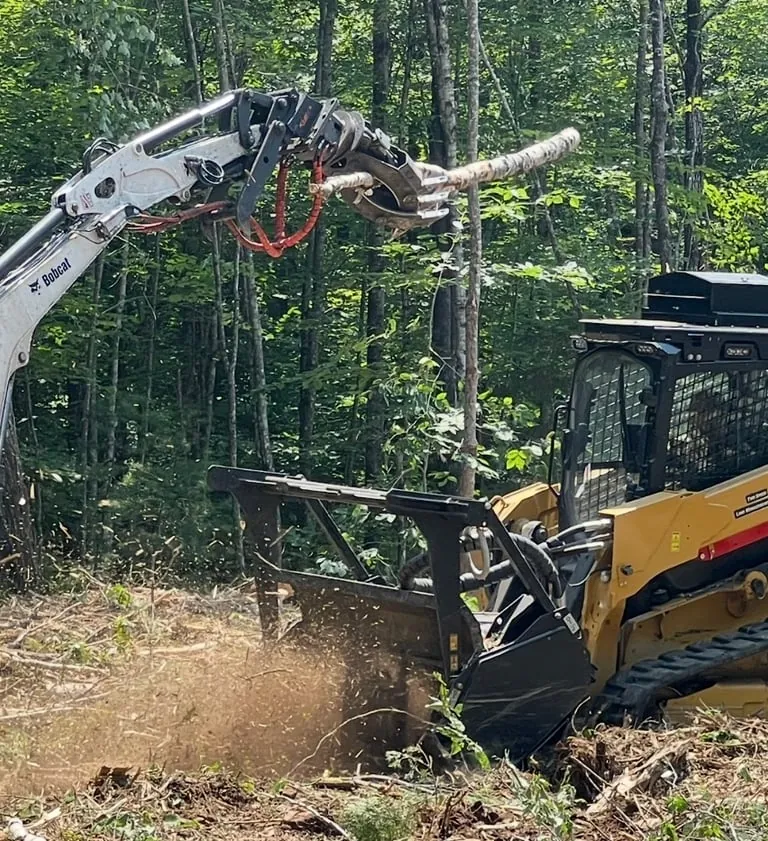
The mulch layer is not leftover waste. On a trail, woodland edge, sightline, or low-impact clearing, it can help soften rainfall impact, hold moisture, and keep exposed soil from washing. Maine DEP describes mulching as a way to protect exposed soil structure, reduce erosion potential, and help retain moisture for vegetation. Its role is most useful when the ground is meant to stay natural rather than become a finished construction surface.
Do not assume the same finish is right everywhere. A thick layer can be perfectly suitable for a trail edge while getting in the way of seed-to-soil contact, precise grading, a road base, a foundation area, or a utility trench. If the goal is lawn, pasture, a building pad, driveway, or another engineered surface, say so before follow-up work is planned. That may call for moving material, stump treatment, excavation, drainage work, or a different finish altogether.
Resist the urge to till every mulched area simply because it looks uneven. Unnecessary disturbance can expose soil and create a new erosion problem. Start with the intended use, then make only the changes that use requires. Property owners comparing the two outcomes can use Cross Country's forestry mulching versus land clearing guide to see why a natural mulch finish and a construction-ready finish are not interchangeable.
3. Watch water after the first rain
A rainfall soon after the work is one of the best inspections a property owner can get. Walk the area when it is safe and look for water running down a new opening, collecting at an access point, crossing a trail, or carrying fine soil toward a ditch, stream, pond, or shoreland area. A new clearing does not need to become bare to change how water moves. Removing brush can expose existing grades and make a small low spot more obvious.
Maine's erosion and sediment control guidance is useful for understanding why cover, drainage control, and timely stabilization matter when ground is disturbed. Keep material out of drainage paths, do not fill a ditch because it looks untidy, and do not wait for repeated washouts before addressing a concentrated flow. A small correction is easier before the next heavy storm or before a driveway and additional traffic focus more water on the same spot.
Work near wetlands, streams, ponds, and shoreland deserves an early check rather than a last-minute fix. Maine's Natural Resources Protection Act information explains that some activities in or adjacent to protected natural resources need review. The practical takeaway is simple: keep the limits clear, protect the buffer, and ask before expanding a clearing or moving ground near sensitive water.
4. Plan for regrowth before it becomes a second clearing job
Mulching processes the vegetation that is there today. It does not promise that every root, seed, or woody plant will stop growing. Once light reaches the ground, some species can respond quickly. The pace depends on what was growing, the season, soil and moisture, and how much of the root system remains. That is normal biology, not proof the first pass failed.
The useful approach is to choose a maintenance standard now. For a trail or view corridor, a periodic walk and targeted cutting may be enough. For an open field edge, routine mowing or a planned follow-up pass can prevent scattered shoots from becoming dense brush again. A homesite, road corridor, or utility route needs a clearer standard because regrowth can affect access, visibility, and later work.
Keep an eye out for plants you do not want to spread. If herbicide is part of the plan, identify the plant first and follow the product label exactly. Maine Cooperative Extension's guidance on invasive plant management is a useful starting point for understanding why timing and the right treatment matter. Near water, desirable trees, gardens, or sensitive ground, get qualified advice instead of treating a broad area by guesswork.
5. Match the follow-up to the land's next job
The question after mulching is not only, “How do I keep it clear?” It is, “What does this ground need to do next?” A woodland trail may need only a clear route, a modest maintenance plan, and attention to wet spots. A field edge may need selective regrowth control. A future homesite needs the house, driveway, septic area, well, utilities, drainage, and construction access considered as one connected plan.
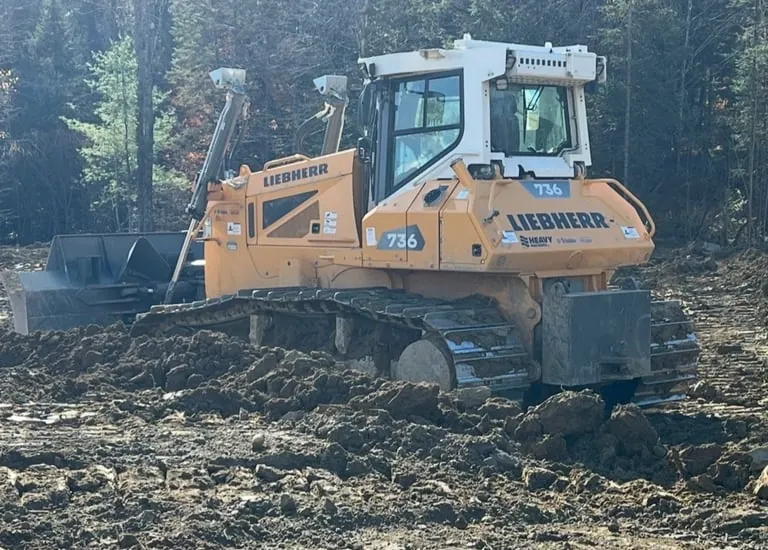
For construction-oriented work, forestry mulching can be a smart first step, but it is not a substitute for removing stumps, shaping grades, building an access road, installing a culvert, or preparing a stable base. Cross Country's residential land services connect those decisions when an overgrown property is moving toward a home, camp, garage, driveway, or more usable acreage.
If the property will need excavation, trenching, posts, or other ground disturbance, take care of utility planning before that work begins. Maine Dig Safe marks public utilities after a request, while private lines, wells, septic components, irrigation, and old site features still need to be identified separately. The visible mulch does not remove what may be under it.
6. Bring in a field crew when the finish needs to change
A property owner can often monitor a mulched trail, field edge, or manageable clearing. Bring in experienced help when the area has steep or wet ground, persistent drainage, larger stumps, difficult access, a new road or culvert, utility work, heavy material handling, or a construction-ready finish. The same applies when the goal has changed since the first pass. A space originally opened for access may now need to support a building, parking, a turnaround, or equipment.
Cross Country Land Services can help property owners move from vegetation management to the next practical phase, including access, drainage, excavation, and site preparation. The forestry mulching service is a good starting point when the current condition and intended finish need to be reviewed together. A clear end use makes it easier to scope the right work once, rather than asking the same patch of ground to do two incompatible jobs.
A simple first-year checklist
In the first few weeks, walk the finished area, photograph the work, and watch where water goes after rain. Through the first growing season, check for resprouts and invasive plants before they become dense. Before any construction, utility, or drainage work, revisit the plan with the future use in mind. This light-touch sequence keeps the benefits of forestry mulching while making sure the cleared ground is ready for what comes next.