Cross Country
Land Services
⌕ (207) 320-3390

Construction and Civil Site Preparation

Clearing and Grubbing Contractors Across Northern New England

Remove the obstructions below and above grade, then leave the work area ready for the construction, utility, access, or drainage phase that follows.

Discuss Your Site Preparation
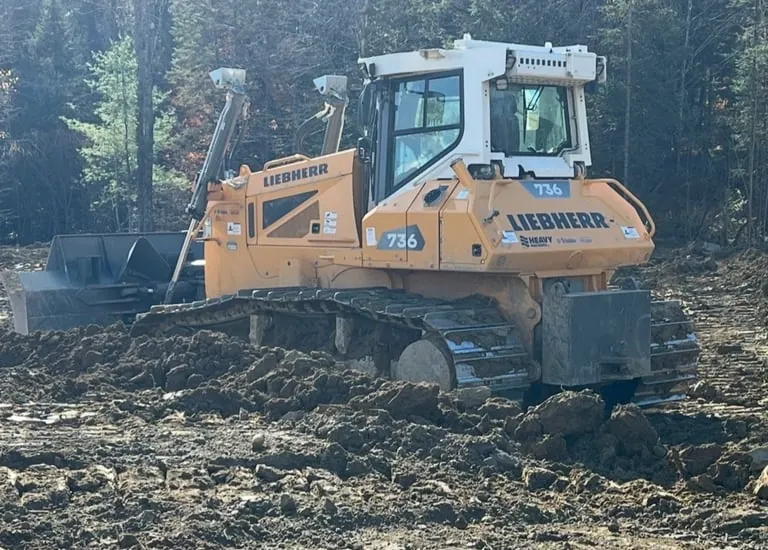
Excavation equipment preparing a Northern New England project site

Prepare the ground for the work that depends on it

Clearing and grubbing is where a raw site becomes workable ground. On a construction, civil, utility, or access project, the scope is more than removing visible brush. Stumps, roots, buried wood, surface debris, unsuitable organic material, and the limits of disturbance all affect whether the next crew can grade, excavate, build, install, or travel through the site as planned.

Cross Country Land Services approaches that first phase with the next use of the ground in view. The team considers the approved limits, existing entry, terrain, ledge, water movement, retained features, material handling, and the sequence the project needs. That helps create a usable work area instead of simply opening the view and leaving downstream site decisions unresolved.

Across Northern New England, a clearing and grubbing scope can quickly become an access, drainage, staging, or ground-protection conversation. Soft shoulders, narrow approaches, variable soils, steep grades, wet areas, and seasonal conditions can determine what equipment can reach the work and how the exposed ground performs after the crew leaves. Field planning before mobilization keeps those realities connected to the project plan.

One defined scope, from vegetation to workable subgrade

Project documents may use “clearing and grubbing” as a single line item, but the field scope needs to be specific. Clearing generally addresses trees, brush, downed material, and surface obstructions. Grubbing addresses the stumps, root systems, buried material, and organics that can interfere with the intended finish. The right depth, limits, and disposal or stockpiling approach depend on the specifications and what the site must support next.

  • Building pads, site expansions, and commercial development areas
  • Road, driveway, and construction-entrance preparation
  • Utility corridors, trench routes, and infrastructure access
  • Municipal, civil, public-works, and environmental projects
  • Staging areas, laydown zones, and equipment travel routes
  • Drainage features, culvert approaches, and erosion-control work areas

Where the project needs a complete construction-ready sequence, clearing and grubbing can connect naturally with land clearing for construction, rough grading, access improvements, drainage, and other site preparation. Where the work is a larger development or infrastructure scope, commercial land clearing provides the broader project path. The right approach is based on the project documents and conditions on the ground, not a standard acreage package.

Protect the limits while creating a reliable work area

Access route being prepared for a Northern New England sitework project

Clearing work has to respect what remains as carefully as what is removed. Property boundaries, retained trees, wetlands, streams, drainage features, utilities, structures, stone walls, survey control, and designated buffers can all shape a practical equipment path. Clear limits and an on-site review help the crew identify the intended work area before machines begin moving.

Access deserves the same attention. A site may need a stable entrance, turning room, a route for heavier equipment, and enough staging area to keep material from conflicting with traffic or protected ground. If a temporary route needs more than a clearing pass, Cross Country can coordinate with access-road construction or culvert installation so the route is planned around the conditions it will carry.

That coordination matters because a site can be technically cleared yet still be difficult to work. A soft low area, inadequate crossing, restricted turn, or poorly placed stockpile can slow every trade that follows. Planning the entry, work area, and material flow together gives the project a stronger start.

Handle roots, material, and topsoil with the finished site in mind

Stumps and roots are not simply a disposal question. In a future building area, roadway, utility route, or graded surface, they can affect the work needed to establish stable ground. The project plans and intended finish determine whether material is processed, removed, placed in a designated area, or handled as part of the grading and restoration sequence.

Topsoil and organic material deserve the same early decision. Some projects call for stripping and stockpiling material for later restoration. Others need defined separation, removal, or a different treatment based on the approved plans and local requirements. Cross Country works from the stated scope, field conditions, and the next phase of construction so useful material is not handled carelessly and the active work area stays organized.

Water management should be part of that sequence. Once vegetation and organics are removed, surface water can reach road edges, low spots, exposed slopes, and future work zones differently. Drainage outlets, temporary controls, culverts, and stabilization measures may need to be considered before the work opens more ground than the project can manage. For scopes that include connected excavation and drainage, see Maine sitework services.

Coordinate the first field phase with the people who follow

Clearing and grubbing is often the start of a handoff. The next activity may be surveying, drilling, excavation, utility installation, grading, foundation work, paving, restoration, or an environmental measure. Knowing that sequence gives the first crew a more practical target for work limits, access, stockpiles, staging, and the finish they leave behind.

Cross Country works with owners, general contractors, engineers, municipalities, and public project teams when the early field work must support a larger scope. The team can coordinate clearing, excavation, access, culverts, drainage, erosion control, and related site preparation where those pieces belong in the same project plan. That connected capability is particularly valuable on remote, wooded, or variable ground where separate decisions can quickly create avoidable rework.

A phased approach can also keep the schedule moving without opening unnecessary acreage. A project may first need a construction entrance, survey zone, utility segment, or staging area, while other portions remain undisturbed until plans, permits, weather, or the next crew are ready. A scope built around that sequence protects the project’s options and lets the work advance where it is needed most.

Bring the details that make a site walk useful

A strong proposal begins with a clear picture of what the site needs to support after the clearing and grubbing work is complete. Plans and field information help define the right equipment, limits, sequence, and finish before the crew mobilizes.

  • Project location, main contact, and desired schedule
  • Plans, specifications, or marked clearing and grubbing limits
  • The next activity planned after the work is complete
  • Existing access, expected traffic, and staging constraints
  • Known utilities, drainage, wetlands, retained trees, or boundary features
  • Material handling, stockpiling, restoration, safety, or reporting expectations

Photos can be useful for the first conversation, especially when entry conditions, slope, vegetation density, or surrounding activity will affect equipment movement. A site walk then makes it possible to review terrain, ledge, soft ground, turning areas, water movement, and the details that do not always appear on a plan. The result is a clearer scope for the work that needs to happen first and the project that needs to move next.

Frequently asked questions

What is included in clearing and grubbing?

Clearing and grubbing can include removal of trees, brush, stumps, root systems, downed material, and other obstructions within the approved work limits. The exact depth, material handling, topsoil treatment, rough grading, and final finish are set by the project plans, specifications, field conditions, and the work that follows.

How is clearing and grubbing different from forestry mulching?

Forestry mulching manages suitable surface vegetation and leaves processed material on the ground. Clearing and grubbing is used when a project needs stumps, roots, organic material, or other obstructions addressed for grading, utilities, roadway work, foundations, or a more complete site-preparation scope.

Can you work from civil plans and defined limits?

Yes. Cross Country can review plans, marked limits, access conditions, known utilities, drainage features, retained vegetation, staging needs, and the next phase of work. A site review helps turn that information into a practical field sequence.

What helps with a clearing and grubbing proposal?

A site address, drawings or marked limits, schedule, intended finish, access information, known utilities, drainage or wetland constraints, material expectations, and the next trade’s requirements are all useful. Photos can help start the conversation, while a site walk clarifies terrain, ledge, soft ground, and equipment access.

Ready to Plan the First Phase?

Bring us the site, the limits, and the work that comes next.

Request a Site Preparation Proposal