Construction Site Preparation
Land Clearing for Construction Across Northern New England
Open the ground for the work ahead, with access, drainage, staging, and the next crew already in view.
Discuss Your Construction Site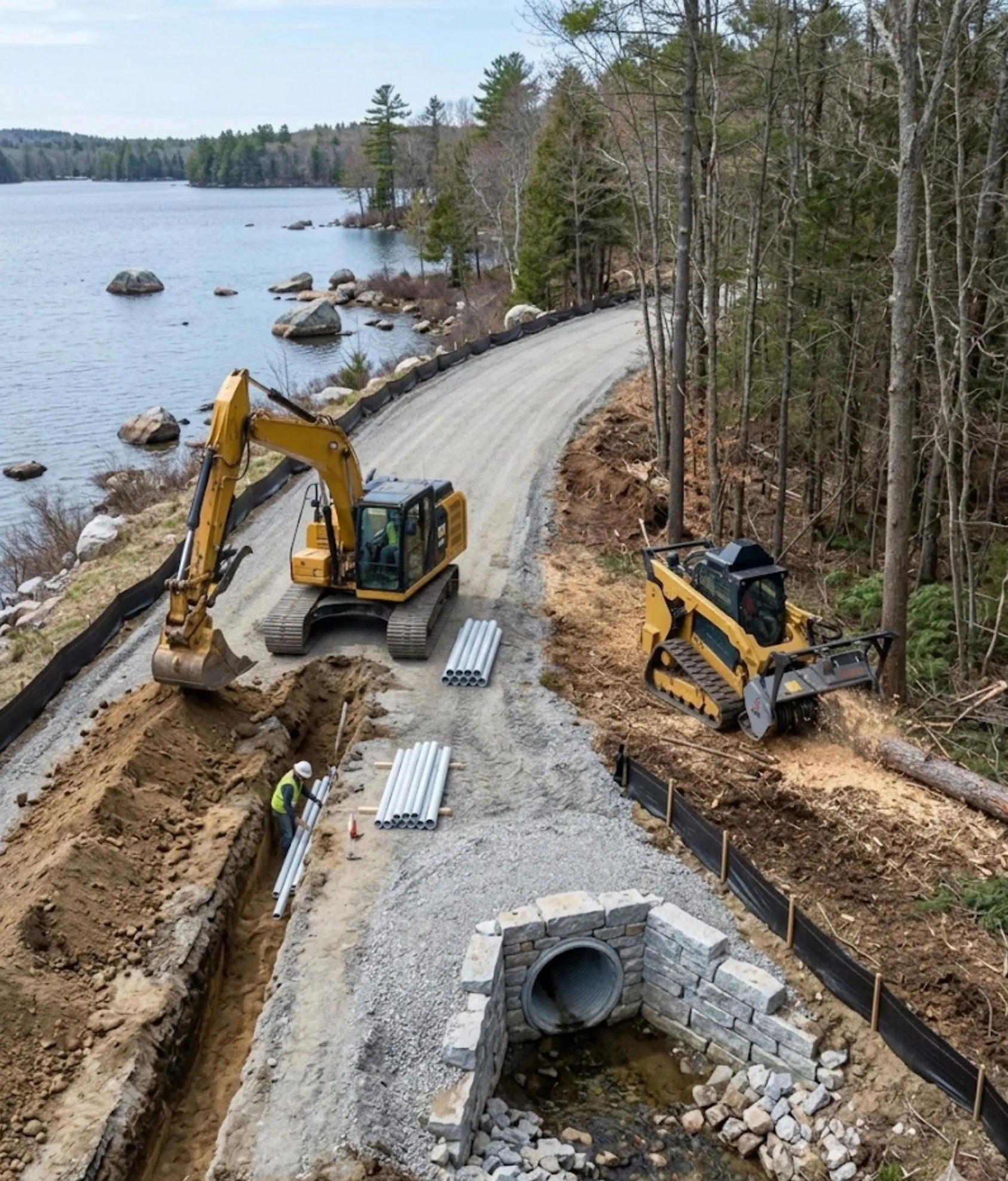
Clear the site for the plan, not simply for an open view
Land clearing for construction is the first field decision for a lot of work that follows. The cleared area may need to carry survey crews, deliveries, construction traffic, temporary utilities, drainage work, a building pad, a road, or the staging that keeps several trades moving. A clearing pass that overlooks those needs can leave a site open but difficult to use.
Cross Country Land Services approaches construction clearing with the finished site in mind. The team looks at the work limits, intended use, terrain, existing entry, water movement, retained features, material handling, and the sequence of construction. That field-level view helps turn a wooded or overgrown area into ground that is ready for its next purpose.
It is especially valuable across Northern New England, where ledge, wet ground, long approaches, variable soils, slopes, and seasonal conditions can quickly influence how equipment enters and how a crew can work. The goal is a practical start to the project, not a first pass that creates access or drainage work to solve later.
Construction clearing for the ground that has to do more
A construction site often needs several usable areas at once: a reliable entrance, a route for equipment, room to turn and stage materials, defined work limits, and the space for the first build or infrastructure phase. Clearing can be shaped around those needs instead of treating every acre as the same kind of work.
- Building sites, additions, and commercial development areas
- Construction entrances, equipment routes, and laydown areas
- Clearing and grubbing for roads, driveways, and utility corridors
- Site expansion, staging, and temporary work zones
- Clearing for drainage features, culverts, and stormwater work
- Phased preparation for civil, municipal, and infrastructure projects
Depending on the project, the work may include tree and brush removal, stump handling, forestry mulching, clearing and grubbing, rough grading, access preparation, and material movement. The right finish is determined by the approved plan and the next phase, whether that is excavation, foundations, utilities, paving, landscape work, or a larger public project.
For a project that needs a broader development scope, Cross Country also provides Maine sitework services. That gives a project team a direct way to connect the first clearing phase with grading, drainage, access, and other field work when those pieces belong together.
Make access and staging work before the schedule depends on them
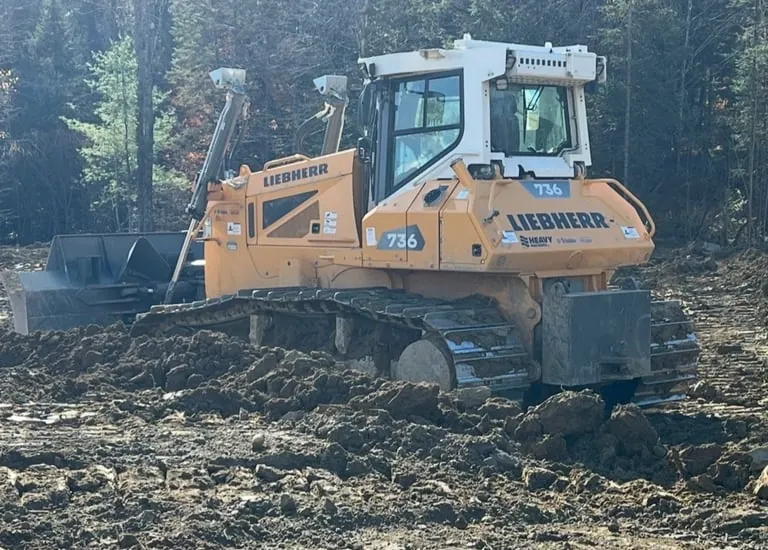
Construction clearing is often tied to a route as much as a building area. Equipment needs a dependable way into the property. Crews need room to turn, load, fuel, and work safely. Materials need a place that does not interfere with traffic, protected ground, or the next trade. Establishing those practical conditions early keeps a site from becoming crowded or difficult just as the work gains momentum.
Cross Country can help shape the entry, work route, staging areas, and temporary travel surfaces around the project plan. A soft section, narrow approach, poor turning area, or missing drainage crossing can affect every delivery and every crew after the clearing is complete. Seeing those constraints at the start gives the project a more useful working platform.
Where the route needs a more complete build, the team can coordinate with access-road construction or culvert installation. That keeps the clearing conversation connected to the ground and water conditions that make a construction route dependable.
Work from clear limits and actual field conditions
A good clearing scope begins with a clear understanding of what stays and what goes. Property lines, retained trees, utilities, wetlands, streams, ledge, drainage features, erosion-control measures, and existing structures can all shape the work area. Plans, stakes, utility information, and a site review help the crew focus on the intended limits before equipment starts moving.
Water deserves that same early attention. Removing vegetation and opening ground can change how runoff reaches low areas, ditches, road edges, and future work zones. On a construction site, the clearing sequence may need to account for drainage outlets, culverts, temporary measures, and stabilization so the exposed ground stays manageable through weather and the following phases of work.
Material handling also deserves a decision before work starts. Some vegetation may remain where it can be managed safely, while other material may need to be moved, hauled, or kept clear of the future work area. The right approach depends on the project limits, finish requirements, access, and what the site must support after the clearing crew leaves.
This is where Cross Country's connected field capability matters. The crew can bring clearing, excavation, access, drainage, and environmental controls into one practical conversation when the project calls for it. That helps avoid reopening areas because a route, ditch, crossing, or utility path was not accounted for in the first scope.
Phase the work around what the project needs next
Not every construction project needs every area opened on day one. A project may first need an access route for survey work, a test area, a place for staging, or a defined building zone. Later phases may need additional clearing after the plans, permits, utility timing, or weather window are in place.
Phased clearing can help teams maintain momentum without disturbing ground that is not ready for the next step. It also gives owners, builders, engineers, and specialty crews a clearer handoff between the work that is complete and the work that remains. The field approach should support the sequence, not force the project into a generic order of operations.
That sequencing can be particularly helpful when the property must remain accessible during construction. A planned entry route, staged clearing boundary, and realistic turn or laydown areas can help owners and contractors keep the active work moving while protecting the portion of the site that still needs to remain undisturbed.
Cross Country works with property owners, general contractors, civil teams, and public project partners on that kind of practical coordination. For larger commercial or infrastructure scopes, explore commercial land clearing or civil and government sitework. Each path helps the project team match the conversation to the scale and purpose of the work.
Bring the details that make a site walk productive
A useful construction-clearing conversation starts with the intended outcome. The more the project team can share about the site, schedule, and next phase, the better the initial scope can account for the conditions that affect cost, access, sequencing, and field execution.
- Project location, schedule, and primary contact
- Plans, marked limits, or a map of the proposed work area
- The next activity planned after clearing
- Existing entry conditions and expected construction traffic
- Known utilities, drainage, wetland, or retained-feature constraints
- Material handling, staging, safety, or reporting expectations
Photos and a simple description of the site can be useful before a walk, especially when the entry, wooded conditions, slope, drainage, or surrounding activity will affect equipment movement. They do not replace a field review, but they help focus the first conversation on the conditions most likely to shape a practical scope.
A site walk can then confirm what drawings may not show: turning room, soft areas, ledge, vegetation density, drainage paths, equipment access, and the practical route through the work. That clarity helps define a construction-clearing scope that is useful from mobilization through the handoff to the next crew.
Frequently Asked Questions
Construction clearing with the next phase in view
What is included in land clearing for construction?
The scope can include clearing and grubbing, tree and brush removal, stump handling, access preparation, rough grading, material management, and coordination with drainage, utilities, erosion controls, or the next construction trade. The final scope depends on the plans, work limits, field conditions, and intended finish.
Can clearing be phased around a construction schedule?
Yes. A project may need an entry route, survey area, laydown space, utility corridor, or first building zone opened before the full site is ready. Phasing the clearing around the portions of ground the project needs next can keep the work practical while limiting unnecessary disturbance.
What information helps with a construction land-clearing proposal?
A project location, plan set or marked limits, schedule, intended use after clearing, access details, known utilities, drainage or wetland constraints, and material expectations are helpful. A site walk can clarify terrain, ledge, soft ground, staging, traffic flow, and equipment access.
Can land clearing be coordinated with sitework and drainage?
Yes. Cross Country can connect clearing with excavation, access roads, culverts, grading, trenching, erosion control, and related site preparation when those scopes belong in the same project plan. That helps keep the cleared ground useful for the work that follows.
Start With Ground That Can Move Forward