Homesites, Access, And Development
Maine Land Clearing Contractors
Clear the ground with the finished use in mind, from a new homesite or camp road to a larger building or access project.
Discuss Your Project
Clear the ground for the job it needs to do
Land clearing is not simply removing trees and brush. It is the first practical step toward a property that can be reached, built on, maintained, or put back into use. A homesite needs enough room for the building area, septic, utilities, and construction access. A camp road needs a route that can handle the ground and move water away from the traveled surface. A commercial or public project needs the limits, staging, and next construction phase considered before the first machine enters the site.
Cross Country plans Maine land clearing around that intended result. The team looks at the vegetation, terrain, access, retained features, and the work that follows so the clearing supports the next phase instead of creating a second round of work later. That can mean a focused opening for a driveway, selective clearing around a build area, or a broader construction-ready scope coordinated with excavation and drainage.
Maine ground adds real field considerations to every project. Ledge, wet pockets, narrow access, existing drainage, stone walls, mature trees, and seasonal conditions can all change how equipment moves and where the work should begin. A plan that fits the property makes the finished ground more useful and easier to move forward with.
Land clearing for the projects that come next
The purpose of the clearing sets the scope. Some properties need brush, saplings, and smaller woody growth managed to reopen an access route or field edge. Others need trees, stumps, material movement, and rough grading addressed before construction can begin. Cross Country helps define the work around the result you need, not a generic number of acres.
- New homesites, camps, garages, and outbuildings
- Driveways, private roads, turnarounds, and access routes
- Building areas, utility corridors, and septic-related access
- Overgrown lots that need to be opened and evaluated
- Commercial development, staging areas, and work zones
- Property improvements that require drainage or grading afterward
The clearing phase should make the rest of the project easier. A driveway alignment can guide where vegetation is removed. A planned building area can determine which trees stay and which need to come out. A future trench, culvert, or drainage route should be accounted for before finished ground is reopened. Looking at those connections early gives the work a clearer sequence and helps reduce avoidable disruption.
Start with the conditions on the property
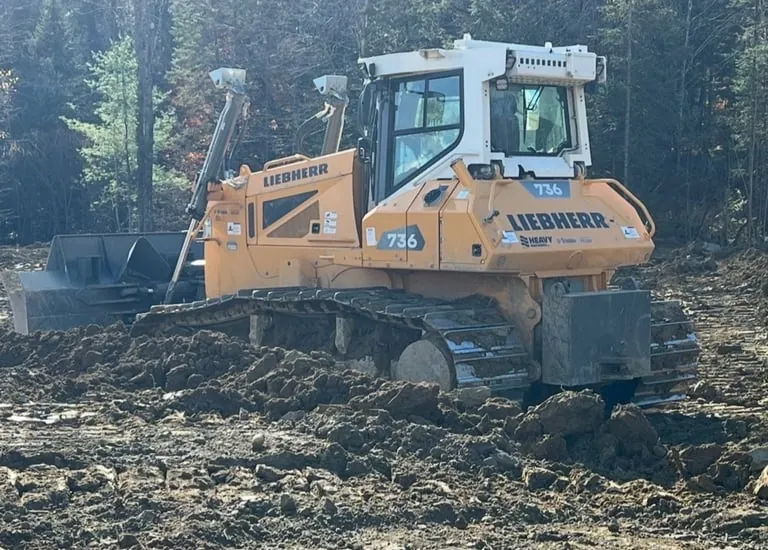
Good clearing starts with an honest look at the site. The crew needs to know where equipment can enter, turn, and stage material. Ground firmness, slopes, ledge, existing trails, drainage, overhead lines, and nearby structures all affect the method and the order of work. A photo, plan, or sketch is useful, and a site walk helps confirm the details that are difficult to see from a map.
Identifying what stays is just as important as identifying what goes. Retained trees, property markers, stone walls, wells, septic components, wet areas, streams, and utility corridors should be considered before the work limits are set. Clear boundaries protect the parts of the property that matter while giving the crew room to work efficiently.
For projects near shoreland areas, slopes, wetlands, or exposed ground, clearing and water management belong in the same discussion. The goal is to create usable space without turning the next heavy rain into a drainage or erosion problem.
Choose the clearing method that fits the finish
Not every property needs the same level of removal. Forestry mulching can be a practical fit for brush, saplings, and smaller woody growth when the goal is access, visibility, or manageable ground. It leaves processed material on site and can be a good option when the property does not need a construction-ready surface.
A different approach is needed when the work is leading into a foundation, septic area, driveway, utility route, or larger development. Those projects may require trees and stumps to be handled differently, material moved, ground shaped, and drainage planned as part of the same scope. Cross Country can coordinate land clearing with forestry mulching, sitework and excavation, and brush clearing when each is the right fit for the ground.
The important decision is the condition the land needs to be in after clearing. A natural, maintainable opening, a passable access route, and a prepared building area are different outcomes. Defining that finish before work begins helps the team select the right equipment, set useful limits, and avoid paying to clear the same area twice.
Keep access, water, and material moving together
Land clearing often creates the first chance to make better decisions about access and drainage. A new route needs enough room for equipment now, but it may also need the alignment, base, crown, and culverts required for regular use. A low area may call for a different route or drainage work before traffic begins. Material from clearing needs a plan for where it can be staged, processed, removed, or reused.
Cross Country approaches the site as connected field work. Clearing affects excavation. Excavation affects drainage. Drainage affects access and the long-term condition of the property. Coordinating those decisions gives customers a practical path from raw ground to the next milestone, whether that is a driveway, a building area, a utility corridor, or a larger project site.
This approach is particularly useful when only part of the property is ready to move ahead. A first phase can open access, create staging room, or prepare a defined work area while other parts of the project are still being planned. The result is meaningful progress without extending disturbance beyond what the next phase actually needs.
Bring the right information to the first conversation
A useful land-clearing estimate starts with the intended use, not acreage alone. A small, dense lot with poor access can need a different approach than a larger open area. Sharing what you want to build, improve, or maintain helps Cross Country shape a scope that fits the actual project.
- Property address, access route, and the area to be cleared
- Photos, surveys, plans, sketches, or marked work limits
- What the land needs to support after clearing is complete
- Known utilities, wells, septic components, wetlands, or drainage
- Trees, walls, boundaries, or other features that must remain
- Schedule considerations and any work that follows clearing
A site visit can then confirm the conditions that shape the work: actual access, vegetation density, ground firmness, ledge, turning space, hidden debris, and the best location for staging. That preparation gives you a clearer basis for deciding what to do now and what belongs in a later phase.
Maine field work that supports the full project
Cross Country serves property owners, builders, developers, and public project teams across Maine with land clearing and the practical sitework that often follows. The company brings together vegetation management, excavation, access, drainage, utility preparation, erosion control, and material handling when those scopes need to work as one.
For larger construction, utility, access, and infrastructure work, visit commercial land clearing. For a broader view of roads, drainage, utilities, and excavation, explore Northern New England land services. Start with the ground you have and the use you need next, then build the clearing plan around it.
Frequently Asked Questions
Land clearing with a useful next step in view
What does land clearing include?
Land clearing can include brush and tree removal, stump handling, selective clearing, access preparation, material management, rough grading, and coordination with drainage or excavation work. The right scope depends on what the ground needs to support after the clearing is complete.
Can you clear land for a house, camp, or driveway?
Yes. Homesites, camps, driveways, and access roads all benefit from a clearing plan that accounts for the finished layout, utilities, septic areas, drainage, and the space equipment needs to work. Cross Country can coordinate clearing with the sitework that follows.
What should be identified before land clearing starts?
Property lines, underground and overhead utilities, wells, septic components, wetlands, stone walls, drainage features, trees to retain, and access limitations should be identified before equipment arrives. A site visit helps confirm the conditions that affect the approach.
How do I get a land-clearing quote?
Share the property location, the area to be cleared, the intended use, photos or plans, access details, and anything that must be protected. A site walk can then clarify vegetation density, ground conditions, material handling, and the work sequence.
Start With The Site