Utility, Access And Infrastructure Corridors
Right-of-Way Clearing Across Northern New England
Clear a corridor for safe access, practical fieldwork, and the work that needs to follow.
Discuss Your Corridor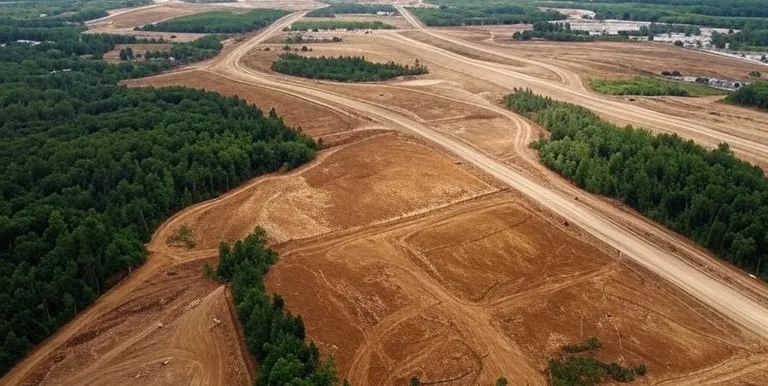
Keep the corridor useful from the first pass forward
A right-of-way is more than an open strip through the woods. It may carry a utility route, give crews access to a public asset, mark an easement, support survey work, or create the working path for construction. The clearing needs to make that corridor usable without losing sight of the conditions around it: terrain, water, adjacent ground, utilities, work limits, and the equipment that will use it next.
Cross Country Land Services approaches right-of-way clearing as connected field work. The team can clear woody growth, manage brush, prepare travel routes, handle material, and coordinate the scope with access, drainage, site preparation, or environmental measures when those belong in the same plan. The result is a corridor shaped around its actual purpose, not simply the first opening a machine can make.
That practical approach matters throughout Northern New England, where wooded ground, ledge, soft areas, slopes, narrow entries, and seasonal conditions can change how crews reach and work along a route. Starting with those constraints in view helps avoid a clearing pass that creates a second access or stabilization problem later.
Right-of-way clearing for the corridor you actually have
Every corridor has a different job. A new utility alignment may need defined clearing limits and room for construction. An existing easement may need vegetation managed so a crew can inspect, repair, or maintain it. A road, trail, or public access route may need a clearer path, better sight lines, and stable ways for equipment to enter and turn around.
- Utility, communications, and infrastructure corridors
- Roadside, public-works, and municipal access routes
- Construction access, survey routes, and work-area approaches
- Existing easements that need clearing or vegetation management
- Forestry mulching and brush removal for maintained travel paths
- Clearing and grubbing for planned civil or utility work
- Access routes connected to drainage, culvert, or restoration work
The scope may call for a light vegetation pass, a more complete clearing operation, or a phased approach that opens only the ground ready for the next step. Cross Country works from the project limits and intended finish, so the field method fits the work rather than treating every corridor as the same kind of clearing job.
Build access into the clearing plan
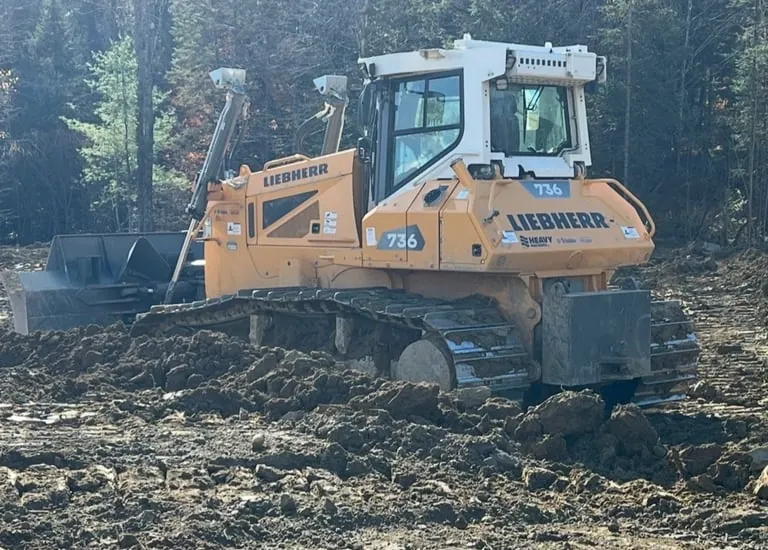
A corridor often has to do more than look open. It needs to let people, equipment, materials, and future crews move where they need to go. The entry point, turning space, ground bearing, steep sections, water crossings, and temporary staging areas all affect how a clearing operation should be organized.
Cross Country can connect clearing to the access work around it. A route may need selective tree removal, brush management, rough grading, aggregate, drainage attention, or a culvert before it becomes dependable for the work ahead. Bringing those needs into the same field conversation helps prevent crews from reopening a route after the clearing is complete.
For a route that needs a more substantial build or upgrade, the access-road construction team can help shape a practical next step. If the project extends beyond the corridor into broader excavation, grading, utilities, or construction preparation, explore Maine sitework services.
Work around the limits that matter in the field
Clearing limits should be clear before equipment starts. A corridor may cross wet ground, approach a stream or drainage feature, run beside active utilities, pass through a managed work zone, or border property that needs to remain protected. Plans, stakes, utility information, and field coordination help keep the work focused on the intended area.
Water deserves early attention as well. Removing vegetation or opening a travel route can change how water moves through the ground. On slopes, low areas, and access routes, the clearing plan may need to account for ditches, cross-drainage, culverts, erosion control, material placement, or a sequence that limits disturbance while other work is still underway.
Cross Country brings a field-focused view to those conditions. The team can coordinate clearing with drainage, culverts, stabilization, and environmental work when the scope calls for it. For a public or infrastructure project with those connected needs, see government erosion and drainage support.
Support for new work, maintenance, and project handoffs
A new corridor and an established route create different questions. New work may need an alignment opened, a defined construction path, and ground prepared for the next trade. Maintenance work may be focused on restoring visibility, keeping an easement accessible, managing regrowth, or opening a practical route to an existing asset. Either way, the finish should match what the owner or project team needs the corridor to do after the crew leaves.
Cross Country supports project teams that need that handoff to be clear. The company works with property owners, contractors, municipalities, civil teams, and public agencies across Maine, New Hampshire, Vermont, Massachusetts outside the Boston metro area, and upstate New York. For federal, state, or municipal scopes, the civil and government services team offers a direct path to discuss bids, project documents, and field requirements.
The goal is not to overbuild a simple maintenance need or underscope a corridor that has to support real equipment and construction activity. A useful first conversation identifies the intended use, the ground conditions, and the specific parts of the route that need attention.
Bring the details that make a site review useful
A clear picture of the corridor helps shape a useful proposal and work sequence. Existing plans, marked limits, access photos, utility information, and a simple description of what needs to move through the route all help define the field approach before equipment is mobilized.
- Corridor location, length, width, and intended use
- Plans, easement information, stakes, or marked work limits
- Current entry points and any equipment-access constraints
- Known utilities, wetlands, drainage features, or protected areas
- Vegetation, tree, stump, and material-handling expectations
- Schedule, permit, safety, and coordination requirements
A site walk can then confirm the conditions a plan does not always show: soft ground, ledge, slope, turning space, existing drainage, vegetation density, and the safest way to move equipment through the work area. Those practical details help turn a broad clearing request into a scope that supports the crews and infrastructure depending on it.
Frequently Asked Questions
Right-of-way clearing for practical field access
What does right-of-way clearing include?
The scope depends on the corridor and the required finish. It can include brush and tree removal, forestry mulching, grubbing, access preparation, material handling, work-zone clearing, and coordination with the utility, road, or construction work that follows.
Can you support utility and public-infrastructure work?
Yes. Cross Country works with civil, municipal, state, federal, and utility project teams on corridor clearing, access, site preparation, drainage, and related field work. The final approach is shaped around the plans, site constraints, safety requirements, and project sequence.
Can an existing easement or access route be maintained?
Yes. An established route may need vegetation management, selective clearing, drainage attention, a safer equipment path, or a more usable surface. A site review helps separate a focused maintenance scope from work that needs broader reconstruction or site preparation.
What should we share when requesting a right-of-way clearing proposal?
A location, corridor limits or plan set, intended use, access information, schedule, and any known utilities, environmental controls, retained features, or material requirements are useful. Photos and a site walk can help clarify the practical field conditions.
Start With The Corridor