Homesites, Access, And Working Ground
Maine Tree Removal Services
Remove trees with a clear plan for the ground, access, cleanup, and the work your property needs next.
Discuss Your Tree-Removal Project
Make room for the use your property needs next
Tree removal is often the point where a property begins to change. A homeowner may need a safer, more usable yard. A camp or rural parcel may need a clearer approach. A new homesite, driveway, garage, utility route, or work area may need trees removed before the next phase can start. The work is more useful when it is planned around that finished use, rather than treated as an isolated day of cutting.
Cross Country looks at the whole working area: where equipment can enter, what needs to remain protected, how material can be handled, where stumps affect the next step, and whether access or drainage should be considered before the ground is opened. That practical view helps shape a scope that gives the project a useful result, not just a newly cleared view.
Maine properties can make those details matter quickly. Trees may stand near a narrow drive, stone wall, wet area, retained woods, overhead line, existing building, or the only route into the work area. Ground firmness, slope, seasonal conditions, and the distance from the road all influence how the work is approached. A site review brings those realities into the plan before equipment arrives.
Tree removal for connected property work
Some projects need a single tree removed. Others involve a group of trees, old growth along an access route, a future building area, or ground that needs to be opened for a larger project. The right scope depends on what the cleared area must do afterward and how the surrounding property needs to keep working while the job is underway.
- Trees within a planned homesite, camp area, or building zone
- Tree removal along driveways, private roads, and access routes
- Opening space for garages, outbuildings, utilities, and work areas
- Targeted removal where overgrowth is limiting property use
- Tree and stump work tied to clearing, grading, or site preparation
- Material handling for larger wooded-property projects
The goal is not to make every project bigger than it needs to be. It is to identify the work that genuinely belongs together. If a driveway will follow the removal, its alignment and drainage can inform the working area. If a stump will sit in a future building pad or utility corridor, that should be known before the crew leaves. Planning those connections early helps avoid reopening the same ground later.
Access and ground conditions shape the approach
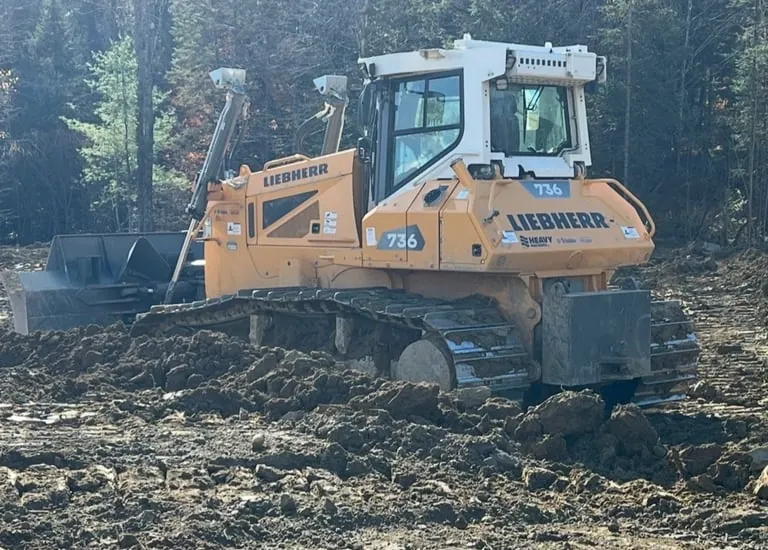
A clear approach is valuable before tree work starts. Equipment needs a safe way to reach the area, turn, and work without creating unnecessary damage along the way. On a tighter property, that can mean paying close attention to the driveway, retained trees, slopes, wet pockets, walls, structures, and other features that need to stay in place.
Cross Country also considers how the ground will respond after trees are removed. Exposed soil, changed runoff, soft ground, and a route that will soon carry heavier traffic can all affect what should happen next. Where a project also needs access, grading, drainage, or a crossing, the tree work can be planned so it supports that next phase instead of competing with it.
Before any digging, trenching, or ground disturbance is added to the project, utilities and known site features need to be identified. That includes overhead lines, buried public utilities, wells, septic components, irrigation, old fencing, and features that may not be obvious from the road. Clear limits help protect the people, property, and ground around the working area.
A site walk also helps separate the immediate removal from the decisions that can wait. It can show whether the crew needs a temporary working route, where material can be handled without blocking the property, and whether a stump or root system will affect a planned driveway, building area, or drainage path. On a larger parcel, it can identify a sensible first area to open without committing the rest of the property to a scope that is not ready yet. That matters when a project will move in phases, when part of the ground stays wooded, or when the next decision depends on what becomes visible after the trees are removed.
Decide how the cleared area should finish
The finish changes the work. A tree removed from a backyard may leave a different need than a group of trees removed for a homesite or access road. Some areas need stump work so the ground can be graded or built on. Others need the remaining vegetation managed, material moved, or the route cleaned up so a driveway, field, or maintenance crew can use it.
Cross Country can connect tree removal to the practical work that follows. For a broader building or infrastructure scope, see Maine sitework contractors. For a wooded area that needs brush and smaller vegetation managed without full tree removal, explore forestry mulching in Maine. A property that needs a larger clearing plan for a homesite, driveway, or development can also begin with Maine land clearing.
Those services are related, but they are not interchangeable. A focused tree-removal scope can solve the right immediate problem. A connected plan becomes valuable when the property needs the space, access, ground, or drainage ready for a more substantial next step.
Start with the details that make the scope clear
A useful first conversation makes it easier to match the crew and equipment to the property. Photos and a map are helpful, but the location of the trees, access route, nearby features, and intended finish are often easier to understand during a site walk. That way a straightforward job stays practical, cost-effective, and a larger property project gets the right sequence from the start.
- Property location and photos, a map, or a simple sketch
- The trees or area to be addressed and the result you need
- Buildings, lines, walls, water, or features to protect
- Driveway and equipment access, including tight or soft areas
- Whether stumps, material, grading, or cleanup are part of the plan
- Any driveway, homesite, utility, drainage, or construction work to follow
With those details, Cross Country can help define a clear tree-removal scope and identify where a connected field plan will add value. The aim is simple: leave the property in a better position for its next use.
Frequently Asked Questions
Plan the removal around what comes next.
What information is useful for a tree-removal estimate?
A property location, photos or a map, the number and approximate size of the trees, nearby buildings or lines, access details, and what needs to happen with the stump and material are a strong start. A site walk can clarify equipment access, ground conditions, work limits, and the practical sequence.
Can tree removal be coordinated with land clearing or a new homesite?
Yes. When tree work is part of a homesite, driveway, utility route, field opening, or larger site project, it helps to plan the removal around the finished layout. That can reduce repeat access work and keep clearing, stumps, grading, drainage, and the next phase moving in a useful order.
Do you remove stumps as part of the project?
Stump handling can be part of the scope when the ground needs to support access, construction, grading, or a clean finished area. The right approach depends on the property, the root systems, the intended use, and whether material needs to be moved or the area needs further site preparation.
What happens to the trees and brush after removal?
Material handling is planned around the site and the area's next use. Depending on the scope, the conversation may include sorting, moving, processing, or preparing the material as part of a broader clearing and sitework plan. We will discuss the options and reflect the property owner's preferences in the contract. If the owner wants firewood, chips, or material removal, we will agree on the specifics and note them in the contract.
Start With The Site